Where to Find the Best Atlanta Seafood Restaurant Experience
Walk into almost any neighborhood in Atlanta and you’ll hear people debating the same question: “Where’s the best seafood in the city?” From classic Southern fish fry spots to upscale raw bars, the search for the ideal Atlanta seafood restaurant is part of the city’s food culture.
This guide walks through what makes Atlanta’s seafood scene unique, how to choose the right restaurant for your tastes and budget, and what to know before you order. It’s designed for readers who want clear, practical information and a deeper understanding of their options.
Why Atlanta Is a Serious Seafood City
Atlanta may be landlocked, but its seafood reputation has grown steadily. Many restaurants build close relationships with Gulf, Atlantic, and regional suppliers, so diners often find:
- Fresh fish delivered regularly
- Menus that change with the seasons
- A mix of coastal and Southern influences
Instead of relying on any specific numbers, observers often point to the city’s steady growth in seafood-focused concepts, from casual crab houses to chef-driven raw bars. This diversity gives diners many different ways to enjoy seafood in one metro area.
Main Types of Atlanta Seafood Restaurants
Understanding the different styles of Atlanta seafood restaurant helps narrow down where to go.
Casual Southern & Fry Houses
These spots focus on comfort and familiarity. You’ll often see:
- Fried catfish, whiting, or tilapia
- Shrimp baskets and po’boys
- Hushpuppies, coleslaw, and fries
- Sweet tea and simple desserts
They tend to be relaxed, family-friendly, and relatively affordable. The focus is on crispy, well-seasoned seafood and hearty portions rather than extensive wine lists or elaborate plating.
Low Country & Cajun-Inspired Boil Restaurants
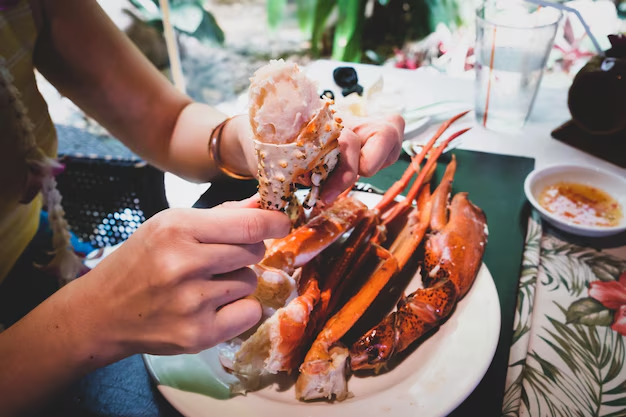
Seafood boil restaurants have become a recognizable part of Atlanta’s landscape. Common features include:
- Build-your-own seafood bags (shrimp, crab, mussels, clams)
- Signature seasoning blends and spice levels
- Corn, potatoes, and sausage add-ons
- Bibs, gloves, and a very hands-on eating experience
These places usually attract groups, birthday celebrations, and friends’ nights out. The atmosphere is often loud, lively, and centered on sharing and abundance.
Oyster Bars & Raw Seafood Spots
For diners who enjoy raw or lightly prepared seafood, oyster and raw bars can be a strong option. They may offer:
- Raw oysters from different coasts
- Chilled shrimp, ceviche, or crudo
- Lightly grilled or seared fish dishes
- Extensive wine, sparkling wine, or cocktail menus
These restaurants tend to emphasize freshness, sourcing transparency, and presentation, appealing to guests who like to explore flavor subtleties.
Upscale & Chef-Driven Seafood Restaurants
Higher-end restaurants in Atlanta often treat seafood as a focal point of a broader, seasonal menu. Expect:
- Carefully composed plates and tasting menus
- Market-priced fish selections that change often
- House-made sauces and refined sides
- Thoughtful interior design and attentive service
These spaces may attract business dinners, anniversaries, or special occasions where ambiance matters as much as the food.
Global & Fusion Seafood Concepts
Atlanta’s international diversity also shapes its seafood scene. Diners may encounter:
- Latin American ceviche bars
- Asian-inspired seafood grills and noodle houses
- Caribbean fish dishes with bold seasoning
- Fusion menus combining Southern and global flavors
These restaurants often highlight regional traditions and cooking techniques, bringing variety to the definition of “seafood restaurant” in the city.
How to Choose the Right Atlanta Seafood Restaurant for You
With many options, it helps to clarify what you want from the experience. Consider these key factors.
1. Atmosphere & Occasion
Ask what kind of outing you’re planning:
- A quick weekday dinner? Casual fish shack or counter-service seafood.
- A celebration? Lively boil spot or upscale dining room.
- A quiet date or business meal? Chef-driven restaurant or refined oyster bar.
- A family gathering with kids? Casual, spacious restaurant with simple favorites.
Matching the restaurant style to the occasion often leads to a more satisfying visit.
2. Menu Focus
Some Atlanta seafood restaurants specialize heavily in one area, while others offer a broad mix. Look for:
- Specialties: Is the restaurant known for boils, fried platters, or raw oysters?
- Breadth: Are there grilled, baked, and blackened options, or mostly fried?
- Non-seafood items: Useful if someone in the group prefers chicken, steak, or vegetarian dishes.
Menus that highlight a few core dishes can signal a focused approach, while larger menus may appeal to groups with mixed tastes.
3. Freshness & Sourcing Transparency
Many diners pay attention to how seafood is sourced and handled. Signs of a thoughtful approach include:
- Seasonal or “market catch” sections on the menu
- Clear descriptions of regions or types of fish
- Staff willing to answer questions about preparation and availability
While not every restaurant advertises detailed sourcing, those that do often aim to reassure guests about quality.
4. Budget & Pricing Style
Seafood prices can vary based on:
- Type of seafood (lobster, crab, and certain fish often cost more)
- Preparation complexity (simple fry baskets vs. plated entrees)
- Restaurant overhead (casual vs. upscale environments)
Some places use fixed pricing for platters, while others list market prices for select items. Market pricing is common for items that fluctuate significantly in cost.
5. Neighborhood & Convenience
Atlanta’s traffic and geography can influence dining choices. Many diners:
- Choose restaurants close to home or work on weekdays
- Explore different neighborhoods on weekends or special occasions
- Consider parking, walkability, and rideshare access
Being realistic about location and timing can help prevent a stressful trip from overshadowing the meal.
Popular Styles of Dishes at Atlanta Seafood Restaurants
Different restaurants highlight different cooking styles. Understanding them makes it easier to read menus and order with confidence.
Classic Southern Fried Seafood
Common elements include:
- Fish fillets or whole fish, coated and fried
- Fried shrimp or oysters
- Hushpuppies, fries, and slaw
- Tartar sauce, cocktail sauce, or house-made dips
This style emphasizes crunch, seasoning, and comfort. Portions are often generous and well-suited to casual, shared dining.
Seafood Boils & Feasts
Boil restaurants usually allow you to customize:
- Base seafood: shrimp, snow crab, blue crab, crawfish (when in season), mussels
- Seasoning: garlic butter, Cajun blends, lemon pepper, or mixed styles
- Heat level: mild to extra spicy
- Add-ins: corn, potatoes, sausage, eggs, and more
The experience centers on messy, communal eating, often spread across paper-covered tables with minimal utensils.
Grilled, Blackened, and Baked Seafood
For those who enjoy less breading, grilled or blackened fish and shellfish are common alternatives. Menus may feature:
- Blackened catfish or salmon
- Grilled shrimp skewers
- Baked fish with herbs and citrus
- Lighter sauces and vegetable-forward sides
These dishes often appeal to diners who prefer simpler, ingredient-focused preparations.
Raw and Chilled Preparations
Raw bars and globally inspired seafood restaurants may serve:
- Raw oysters on the half shell
- Ceviche marinated in citrus and aromatics
- Poke or crudo with fresh herbs and dressings
- Chilled shellfish towers for groups
These preparations highlight texture and delicacy, often paired with bright flavors and refreshing drinks.
Quick Decision Guide: Matching Restaurant Types to Your Priorities
📝 At-a-glance helper for choosing an Atlanta seafood restaurant:
| Your Priority | Look For This Type of Place |
|---|---|
| Lively group hangout 🦀 | Seafood boil / Cajun-style restaurant |
| Comfort food and value 🍤 | Casual Southern fry house or counter-service spot |
| Special occasion or date night ✨ | Upscale, chef-driven seafood restaurant or oyster bar |
| Lighter preparations 🥗 | Grill-focused or raw bar–style menu |
| Mixed group needs 👨👩👧👦 | Broad menu with seafood and non-seafood options |
| Food adventure 🌎 | Global or fusion seafood concept |
Use this as a starting point, then refine based on location, price range, and specific cravings.
What to Look For in a Quality Seafood Experience
Beyond style, certain patterns tend to stand out in well-regarded Atlanta seafood restaurants.
Consistency & Flavor Balance
Regular guests often notice:
- Similar quality from visit to visit
- Dishes that are seasoned well without overwhelming the seafood
- Batter or breading that stays crisp rather than soggy
- Sauces that complement rather than hide the main ingredient
Consistency suggests a stable kitchen process and attention to detail.
Thoughtful Sides and Extras
Side dishes can elevate or weaken the overall meal. Many diners value:
- Fresh, well-seasoned vegetables, grains, or salads
- Classic sides (fries, slaw, rice) prepared with care
- House-made sauces instead of generic packaged options
- Bread or biscuits that feel intentional rather than filler
These touches can make a seafood meal feel more rounded and memorable.
Service and Menu Guidance
Seafood menus can be unfamiliar to some diners, so knowledgeable staff make a noticeable difference. Helpful patterns include:
- Clear explanations of different fish and shellfish
- Honest guidance about portion sizes
- Willingness to answer questions about spice levels and preparation
- Suggestions that reflect what the restaurant does best
When staff are engaged and informed, guests often feel more comfortable trying new dishes.
Navigating Dietary Preferences and Restrictions
Many Atlanta seafood restaurants aim to be inclusive of different dietary needs, though offerings vary.
Shellfish and Fish Considerations
Some guests avoid certain seafood types due to preferences or sensitivities. Many menus:
- Separate finfish and shellfish sections
- Offer chicken or vegetarian dishes as alternatives
- Allow modifications such as leaving off certain sauces or toppings
Because kitchens often handle multiple seafood types, guests sometimes choose to communicate any strong preferences clearly when ordering.
Lighter and Grill-Focused Choices
For diners who prefer less fried food, options often include:
- Grilled fish with vegetables
- Blackened shrimp with rice or salad
- Steamed shellfish without heavy sauces
- Ceviche or raw preparations (where offered)
Scanning the menu for words like “grilled,” “baked,” “steamed,” “blackened,” or “market fish” can quickly highlight these options.
Vegetarian or Flexitarian Diners in Seafood Groups
In mixed groups, some diners may want non-seafood options. Many restaurants address this by including:
- Pasta or grain-based dishes
- Vegetable sides or salads that can be combined into a meal
- Simple chicken, steak, or burger options
Checking ahead for at least one or two suitable items can help ensure everyone is comfortable with the choice of restaurant.
Practical Tips for Visiting an Atlanta Seafood Restaurant
These straightforward pointers can make the experience smoother and more enjoyable.
Timing, Reservations, and Wait Times
Patterns many diners notice:
- Seafood boils and popular fry houses can be busiest on weekends and evenings
- Upscale seafood restaurants often encourage or require reservations
- Walk-in waits may be longer during peak hours or special events
Calling ahead or checking estimated waits can help you avoid long lines, especially with larger groups.
Ordering Smart for Groups
For shared meals, consider:
- Combination platters that offer multiple seafood types
- Shared appetizers like calamari, crab cakes, or oysters
- Boil bags sized for two or more people
- Family-style sides (corn, potatoes, greens, or rice)
Sharing allows everyone to taste more variety without over-ordering.
Takeout and Delivery Considerations
Many Atlanta seafood restaurants offer takeout; some also participate in delivery services. General patterns:
- Fried seafood may lose some crispness during travel
- Boils and saucy dishes often travel relatively well
- Raw or delicately prepared dishes may be better enjoyed on-site
If ordering to-go, you can sometimes ask for sauces on the side to help maintain texture.
Simple Checklist for Choosing an Atlanta Seafood Restaurant 🧭
Use this quick list when narrowing down your options:
- ✅ Location works for your timing and transportation
- ✅ Atmosphere fits your occasion (casual, lively, romantic, professional)
- ✅ Menu includes the seafood style you’re craving
- ✅ Options exist for anyone in your group with different preferences
- ✅ Price range aligns with your budget
- ✅ Service reputation suggests helpful, responsive staff
- ✅ Sourcing and freshness details, when available, meet your expectations
Even checking off most of these can increase the likelihood of a satisfying visit.
How Atlanta’s Seafood Scene Keeps Evolving
Atlanta’s seafood landscape continues to shift as new chefs arrive, established restaurants refine their menus, and diners explore different flavors. Observers often note:
- Growing interest in regional and seasonal fish
- More visibility around sourcing and sustainability choices
- Creative fusions of Southern, Caribbean, Latin American, and Asian traditions
- A balance of neighborhood favorites and destination restaurants
For anyone searching “Atlanta seafood restaurant,” the city now offers more variety than ever, from simple fried fish plates to intricate tasting menus.
Exploring a few different spots over time—casual, boil-focused, raw bar, and upscale—can give you a fuller sense of what Atlanta’s seafood scene has to offer. By understanding the main styles, knowing what to look for on menus, and matching the restaurant to your occasion, you can turn a basic dinner out into a memorable part of your own Atlanta food story.
Related Topics
- 356 Restaurant Atlanta
- 57th Fighter Group Restaurant Atlanta
- 57th Restaurant Atlanta Georgia
- 57th Squadron Restaurant Atlanta
- 5 Church Atlanta Restaurant
- 5 Seasons Restaurant And Brewery Atlanta
- 7 Lamps Restaurant Atlanta
- A2b Restaurant Atlanta
- African Restaurant Atlanta
- Alma Cocina Restaurant Atlanta
- Amalfi Restaurant Atlanta
- a Mano Atlanta Restaurant
- American Cut Restaurant Atlanta
- Anis Restaurant Atlanta Ga
- Antico Restaurant Atlanta
- Apres Diem Restaurant Atlanta
- Argosy Restaurant Atlanta
- Aria Atlanta Restaurant
- Asante Restaurant Atlanta
- Astor Court Restaurant Atlanta
- Atkins Park Restaurant Atlanta
- Atlanta Airport Restaurant
- Atlanta Bangladeshi Restaurant
- Atlanta Best Thai Restaurant
- Atlanta Biscuit Restaurant