What Happened at Atlanta’s Spinning Restaurant? A Clear Look at the Tragedy and Its Legacy
High above downtown Atlanta, a revolving rooftop restaurant once offered diners sweeping, slowly changing views of the city skyline. That sense of novelty and luxury was abruptly overshadowed when a child was fatally injured in a tragic accident at the rotating platform.
For many people, the phrase “Atlanta spinning restaurant death” now brings up questions: What actually happened? Are spinning restaurants safe? What changed afterward? And what should visitors know today about these types of attractions?
This guide walks through the incident in clear, respectful terms, then broadens out to safety, design, and practical considerations surrounding rotating restaurants and similar venues.
The Atlanta Spinning Restaurant: Setting the Scene
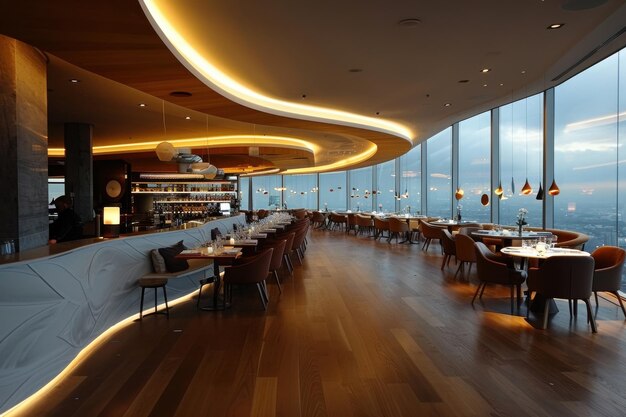
The incident most people refer to with this phrase involves the revolving restaurant atop the Westin Peachtree Plaza Hotel in downtown Atlanta.
A unique dining experience
The restaurant, commonly known for its slow rotation, was designed to:
- Give guests a 360-degree panoramic view of Atlanta
- Rotate at a very slow, almost unnoticeable speed
- Provide a sense of novelty and occasion for special events, celebrations, and tourism
Architecturally, these restaurants are usually built with:
- A stationary core in the middle (for elevators, kitchen, structural elements)
- A moving ring or platform where seats and tables are placed
- A narrow gap or transition zone between the moving and fixed sections
It was in this transition zone that tragedy occurred.
What Is Commonly Referred to as the “Atlanta Spinning Restaurant Death”?
The phrase usually points to a fatal accident involving a young child at the rotating restaurant in Atlanta.
The basic contours of the incident
Public reporting at the time described the following general pattern:
- A child became trapped in the space between the moving floor and a stationary wall or structure.
- The slow but steady motion of the rotating platform created a pinching or crushing hazard.
- Staff and emergency responders attempted to free and assist the child.
- The injuries were severe and ultimately fatal.
Out of respect and privacy, accounts typically avoid overly graphic detail. The core facts emphasize a mechanical hazard in the design and operation of the rotating floor.
How this differs from everyday restaurant mishaps
Most restaurant incidents involve:
- Slips and falls
- Minor cuts or burns
- Foodborne illness concerns
By contrast, this accident involved the interaction of guests with a moving architectural feature, which is much less common in ordinary dining environments. Because of that, it drew widespread attention to the safety of rotating restaurants in general, not just in Atlanta.
How Do Rotating Restaurants Work?
Understanding the mechanics helps explain how such an accident could occur and why safety design is so important.
Core design elements
In many revolving restaurants, three key parts define the experience:
Stationary center
- Houses elevators, kitchens, utilities, and main structure
- Remains fixed in place
Circular rotating platform
- Carries guest seating, sometimes outer walkways
- Moves at a very slow, constant speed
Perimeter or outer ring
- May be stationary or integrated into the rotating platform
- Often bordered by windows showing the city view
Where issues often arise is the interface between moving and still surfaces, particularly:
- Small gaps between the rotating floor and fixed walls
- Spaces near columns, railings, or partitions that don’t move
- Areas where furniture or fixtures are close to the moving edge
Even if the speed is slow, the constant movement plus tight spaces can create risks, especially for children who are smaller, more curious, and more likely to explore.
Safety Risks in Spinning Restaurants and Moving Platforms
The Atlanta tragedy underscored several real-world hazards associated with moving architectural elements.
Common risk areas
Pinch and crush points
- Narrow gaps where a person, hand, foot, or clothing can be caught
- Areas where the rotating floor meets a fixed wall or post
Trip and fall hazards
- Slight level changes between moving and stationary sections
- Disorientation from subtle motion or changing views
Child-specific vulnerabilities
- Kids may crawl, lean, or put limbs into spaces adults avoid
- Children’s smaller size makes them more likely to fit into gaps
- Fast, unpredictable movements can surprise operators and staff
Emergency access and response
- Moving systems may need to be stopped quickly in an emergency
- Crowded, elevated, or circular layouts can complicate evacuation
In everyday operation, many rotating restaurants run for years without significant incidents. The tragedy in Atlanta, however, showed how a rare but catastrophic event can occur if a vulnerable point is left unaddressed.
Changes and Reactions After the Atlanta Incident
Following the fatal accident, there was broad public discussion about responsibility, prevention, and design.
Operational and design responses
Reports and general industry patterns after such incidents often include:
- Immediate shutdown of the rotating mechanism during investigation
- Technical inspections of the rotation system and adjacent structures
- Physical modifications, which may involve:
- Closing or narrowing gaps
- Adding guards, barriers, or protective covers
- Smoothing transitions between moving and non-moving areas
- Revised policies for supervising children and managing crowd flow
Some venues opt to permanently stop the rotation and continue operating as a standard restaurant with a fixed floor, effectively removing the moving element that creates the specific hazard.
Regulatory and industry pressure
When a highly visible incident like this occurs, it often leads to:
- Closer scrutiny from building and safety officials
- Stronger emphasis on code compliance and hazard analysis
- Higher expectations for ongoing inspections and maintenance
Even if formal regulations do not change immediately, many owners and operators adjust their practices to align with heightened public expectations of safety.
Are Spinning Restaurants Safe to Visit?
The Atlanta spinning restaurant death understandably leaves many people wondering whether revolving venues are safe at all. Safety in these environments depends on design, maintenance, staff training, and visitor behavior working together.
How safety is typically managed
Responsible operators generally focus on:
Engineering controls
- Minimal or fully guarded gaps near moving parts
- Smooth, stable flooring without abrupt edges
- Emergency stop controls accessible to staff
Administrative controls
- Clear signage about supervision of children
- Staff trained to monitor guest movement near risk areas
- Regular inspection routines for mechanical and structural components
Environmental cues
- Good lighting so guests can see transitions clearly
- Avoiding clutter near the rotating edge
- Strategic placement of furniture to keep people away from narrow spaces
When these elements are well-managed, the risk of serious incidents tends to be low, though never entirely eliminated.
Practical Tips for Visitors to Rotating Restaurants and Observation Decks
For guests, especially those visiting with children or older adults, a bit of situational awareness can make these experiences more comfortable and secure.
Quick-check safety habits for guests 🧭
Scan the floor and walls:
Look for where the floor moves and where walls or posts stay still. Notice any visible gaps.Keep children close:
Young kids are often drawn to windows, rails, and floor edges. Holding hands or using a high chair can help contain wandering.Avoid sitting or playing on edges:
Treat the border between moving and stationary areas as a “no play” zone.Watch your footing:
Be mindful when stepping across any visible seam or joining line in the floor.Respect barriers and staff instructions:
Ropes, railings, and gentle reminders usually signal areas of greater risk or restricted access.
Key Takeaways at a Glance
Here is a concise summary of the most important points about the Atlanta spinning restaurant incident and rotating venues in general:
| ⚙️ Topic | 💡 Key Insight |
|---|---|
| Nature of the incident | The “Atlanta spinning restaurant death” refers to a child who was fatally injured after becoming trapped between the rotating floor and stationary structure in a high-rise revolving restaurant. |
| Core hazard | The main risk area involved the interface between moving and non-moving surfaces, especially narrow gaps and tight spaces. |
| Public impact | The tragedy drew widespread attention to safety standards in rotating restaurants and similar attractions. |
| Industry response | Operators and regulators tend to respond with inspections, design changes, stricter rules, and modified operating procedures. |
| Safety today | Many revolving venues operate with enhanced protections, but safe experiences still rely on proper design, diligent maintenance, and attentive supervision. |
| Visitor tips | Guests can reduce risk by watching children closely, avoiding edges and gaps, and staying aware of where the floor moves. |
Why This Incident Still Matters
The Atlanta spinning restaurant death is more than a tragic, isolated event. It highlights several broader themes:
- Innovation vs. safety: As buildings and attractions become more dynamic and experiential, safety design needs to stay a step ahead.
- Designing for the most vulnerable: Spaces that welcome families must consider how children see and interact with their surroundings.
- Learning and improvement: Public attention following rare but severe incidents often pushes entire industries to re-examine assumptions and upgrade protections.
For visitors, this story can be a reminder to enjoy unique spaces thoughtfully—appreciating the views and experiences they offer, while staying mindful of how motion, height, and moving parts can change the usual rules of everyday environments.
In the long run, the legacy of incidents like the one in Atlanta is often a set of quieter, less visible changes: reworked floor edges, added barriers, updated protocols, and more attentive staff. Those changes rarely make headlines, but they shape safer experiences for everyone who comes afterward.
Related Topics
- 356 Restaurant Atlanta
- 57th Fighter Group Restaurant Atlanta
- 57th Restaurant Atlanta Georgia
- 57th Squadron Restaurant Atlanta
- 5 Church Atlanta Restaurant
- 5 Seasons Restaurant And Brewery Atlanta
- 7 Lamps Restaurant Atlanta
- A2b Restaurant Atlanta
- African Restaurant Atlanta
- Alma Cocina Restaurant Atlanta
- Amalfi Restaurant Atlanta
- a Mano Atlanta Restaurant
- American Cut Restaurant Atlanta
- Anis Restaurant Atlanta Ga
- Antico Restaurant Atlanta
- Apres Diem Restaurant Atlanta
- Argosy Restaurant Atlanta
- Aria Atlanta Restaurant
- Asante Restaurant Atlanta
- Astor Court Restaurant Atlanta
- Atkins Park Restaurant Atlanta
- Atlanta Airport Restaurant
- Atlanta Bangladeshi Restaurant
- Atlanta Best Thai Restaurant
- Atlanta Biscuit Restaurant