Where to Find Authentic Japanese Food in Atlanta: A Practical Guide for Curious Diners
Atlanta’s food scene moves fast: pop-ups, fusion menus, and photo-ready dishes appear on every corner. Yet for many diners searching for an authentic Japanese restaurant in Atlanta, the goal is different. They want something quieter, more grounded: a bowl of ramen that tastes like it simmered all day, sushi that respects seasonality, or a simple grilled fish with rice and miso soup that feels like a home-cooked meal.
This guide walks through how to recognize authentic Japanese dining in Atlanta, the main styles of restaurants you’ll encounter, what to look for on menus, and how to choose a spot that matches both your palate and your expectations.
What “Authentic Japanese” Really Means in Atlanta
The word authentic is used constantly, but it can mean different things depending on who is speaking.
For Japanese food in Atlanta, authenticity often refers to:
- Respect for traditional techniques (knife skills, rice preparation, stock-making)
- Ingredients chosen for balance, not just bold flavors or trends
- Menus that reflect Japanese eating culture, not only American preferences
- Atmosphere and service that prioritize simplicity, hospitality, and detail
It does not have to mean:
- Super expensive or formal
- Only sushi and sashimi
- A menu written entirely in Japanese
- A room full of Japanese customers
In a city like Atlanta, many restaurants blend Japanese techniques with Southern ingredients or American tastes. Some focus on faithful recreation of traditional dishes, while others lean into Japanese-inspired or fusion. Understanding that range makes it easier to find the experience you want.
Key Types of Japanese Restaurants in Atlanta
When searching for an authentic Japanese restaurant in Atlanta, it helps to know the main categories you’ll see. Each offers a different kind of “authenticity.”
Sushi and Sashimi–Focused Restaurants
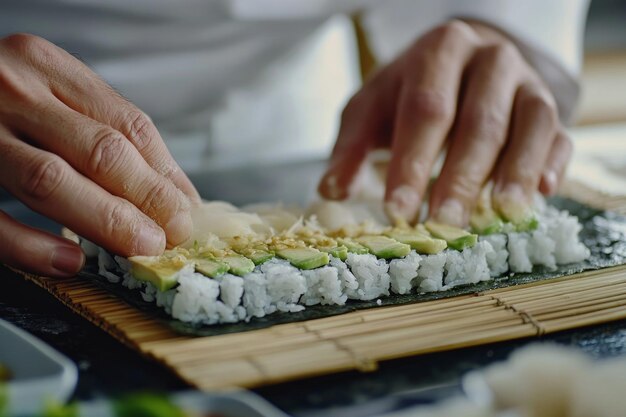
These places center around raw fish, vinegared rice, and meticulous technique.
Common signs of authenticity:
- Rice is slightly warm, seasoned subtly, and not packed too tightly
- Fish slices are uniform and neatly cut, without ragged edges
- Menu includes nigiri, sashimi, and sometimes omakase (chef’s choice)
- Rolls are balanced; not overloaded with sauces, fried bits, or heavy toppings
Fusion rolls and playful combinations can still exist in an authentic space, but the core approach usually respects traditional sushi making: rice first, fish quality second, presentation third.
Ramen Shops
Ramen shops in Atlanta often specialize in one or a few broth styles, reflecting a more focused and traditional mindset.
Typical ramen styles you might find:
- Shoyu – Soy sauce–based, clear, savory broth
- Shio – Salt-based, usually light and clean-tasting
- Miso – Broth flavored with fermented soybean paste, richer and deeper
- Tonkotsu – Pork-bone broth, cloudy and creamy
Details that suggest a more traditional approach:
- Noodles have noticeable bite (springy, not mushy)
- Broth has layered flavor, not just salt or spice
- Toppings are streamlined (chashu pork, egg, bamboo shoots, scallions), not overloaded with random additions
Izakaya (Japanese Pub)
An izakaya is like a Japanese pub: a place for small plates and drinks rather than a single main course.
What you might see on an izakaya-style menu:
- Yakitori (grilled skewers of chicken or vegetables)
- Karaage (Japanese-style fried chicken)
- Gyoza (pan-fried dumplings)
- Agedashi tofu, grilled fish, pickled vegetables, potato salad with a Japanese twist
Authentic-feeling izakaya spaces often:
- Encourage sharing dishes
- Serve food gradually, not all at once
- Offer a range of drinks like sake, shochu, beer, or highballs
Home-Style and Teishoku Restaurants
“Teishoku” refers to set meals—a main dish served with rice, miso soup, and small sides. These are common in Japan but less common in the US, so when you see them in Atlanta, it can be a strong sign of traditional influence.
Examples of teishoku-style combinations:
- Grilled fish + rice + miso soup + pickles
- Tonkatsu (breaded pork cutlet) + shredded cabbage + rice + miso
- Ginger pork slices + sides + rice
This style captures everyday Japanese home cooking, often lighter and more balanced than heavy fusion dishes.
How to Tell if a Japanese Restaurant Feels Authentic
While there is no single checklist that guarantees authenticity, some consistent patterns can help you read the room and the menu.
1. Menu Clues
Look for:
- Balanced choices: raw, grilled, simmered, and fried items, not just deep-fried or heavily sauced foods
- Japanese terminology with simple explanations, instead of renaming every dish
- Seasonal specials or limited-time items, especially with fish or vegetables
- Ramen shops that focus on a few broths instead of a long list with every flavor imaginable
A menu filled mostly with cream cheese rolls, sugary sauces, and overloaded tempura can still be enjoyable, but it leans more toward Americanized Japanese than traditional.
2. Approach to Rice and Broth
Two core elements define a lot of Japanese cooking: rice and dashi (stock).
Signs of care:
- Rice is neither soggy nor dry and holds together gently
- Sushi rice has a delicate vinegar flavor, not overwhelming sweetness
- Miso soup or clear soup has depth rather than tasting like plain salted water
These details suggest attention to technique, which often goes hand in hand with a more authentic style.
3. Atmosphere and Service
Authentic Japanese dining in Atlanta can appear in both casual and upscale spaces, but some shared characteristics include:
- Simple, uncluttered decor
- Emphasis on cleanliness and order
- Staff comfortable discussing ingredients, preparation, and portion sizes
- Serving pace that allows you to enjoy dishes gradually
The room does not need to be decorated with lanterns or stereotypical imagery to feel authentically Japanese; often, the most telling factor is how calmly and carefully everything is done.
Popular Dishes to Try at an Authentic Japanese Restaurant
Knowing what to order can help you experience the restaurant’s strengths more fully.
Sushi and Sashimi
- Nigiri (fish over rice) – Highlights rice quality and knife skills
- Sashimi (sliced raw fish) – Lets you focus on freshness and texture
- Simple rolls like tekka maki (tuna) or kappamaki (cucumber) – Good for evaluating balance
Hot Dishes and Comfort Foods
- Katsudon – Pork cutlet with egg over rice; savory and mildly sweet
- Oyako don – Chicken and egg over rice
- Curry rice – Japanese-style curry, mild and soothing
- Nabeyaki udon – Udon noodle soup cooked in a hot pot with toppings
Classic Izakaya Plates
- Yakitori – Juicy skewered chicken; look for both dark meat and organ cuts on some menus
- Agedashi tofu – Lightly fried tofu in a savory broth
- Takoyaki – Octopus balls with sauce and bonito flakes
- Sunomono – Lightly pickled cucumber or seafood, refreshing between richer bites
Quick Tips for Finding Authentic Japanese Food in Atlanta 🍣
Here is a compact reference to keep in mind when searching or sitting down to order.
Authentic-Feeling Signs vs. More Americanized Clues
| ✅ Often Feels More Authentic | ⚠️ Often Feels More Americanized |
|---|---|
| Focused menu (sushi only, ramen only, etc.) | Very long menu mixing many Asian cuisines |
| Simple, well-balanced rolls | Heavy sauces, fried toppings on most rolls |
| Seasonal specials, fish of the day | Same menu year-round with few variations |
| Warm, lightly seasoned rice | Very cold rice, very sweet or sticky |
| Clear ramen styles (shoyu, shio, miso, etc.) | Many novelty flavors with little explanation |
| Small plates meant for sharing | Large, overloaded entrées aiming for sheer volume |
These patterns are general observations, not strict rules. A restaurant can be enjoyable even if it leans toward the Americanized side; the key is matching your expectations to what’s offered.
How to Search for an Authentic Japanese Restaurant in Atlanta
When typing phrases like “authentic Japanese restaurant Atlanta” into a search engine, you’ll likely see a mix of options. To narrow things down, consider these steps:
Filter by Style
Decide what type of experience you want:
- “Traditional sushi omakase Atlanta” – for chef-driven sushi experiences
- “Ramen shop Atlanta” – for noodle-focused comfort food
- “Izakaya Atlanta” – for shared plates and drinks
- “Japanese home-style cooking Atlanta” – for teishoku and simple meals
This helps you find restaurants that commit to a recognizable Japanese format instead of just offering a few Japanese items among many other cuisines.
Read Descriptions Mindfully
Restaurant descriptions and menus often reveal their emphasis:
- References to broth made in-house, hand-pressed sushi, or grill-focused menus usually highlight technique
- Mentions of fusion, creative twists, or “Asian-inspired” signal more experimentation
Neither is inherently better; it depends on whether you’re looking for traditional flavors or inventive reinterpretations.
Ordering Confidently: How to Build a Balanced Japanese Meal
Once you’ve chosen a spot, the next step is making sense of the menu. Many diners in Atlanta want to try traditional items but are unsure where to start.
A Simple Approach to a Well-Rounded Meal
You can think in three parts: base, main, and accents.
Base
- Rice, noodles, or both
- Examples: a bowl of ramen, a donburi (rice bowl), or sushi set
Main
- Protein-focused dish or central feature
- Examples: grilled fish, tonkatsu, sashimi plate, yakitori mix
Accents
- Small sides that bring contrast and variety
- Examples: pickles, miso soup, a small salad, sunomono, edamame
This mirrors how many everyday Japanese meals are structured: a central food, supported by lighter dishes that add texture and flavor contrast without overwhelming the main item.
Practical Tips for Diners in Atlanta 🍜
Here are some straightforward, skimmable tips if you’re exploring Japanese restaurants in the city:
- 🧾 Scan the menu for restraint – A shorter, focused menu often signals more attention to each dish.
- 🍚 Pay attention to the rice – Warm, gently seasoned rice is a subtle but strong indicator of care.
- 🐟 Try simple preparations first – Nigiri, grilled fish, or plain ramen broths reveal the kitchen’s technique.
- 🗣️ Ask respectful questions – Staff can often explain house specialties, traditional choices, or milder options.
- 🔁 Return multiple times – Many Japanese restaurants reveal more depth as you explore beyond your first visit.
- 🌱 Notice seasonal items – Specials with seasonal fish or vegetables often reflect a more Japanese mindset about food.
Understanding the Balance Between Tradition and Atlanta’s Food Culture
Atlanta’s Japanese restaurants do not exist in a vacuum. They respond to:
- Local ingredient availability
- The city’s preference for bold flavors and fusion influences
- Growing interest in regional Japanese styles (e.g., specific ramen regions, Osaka-style street foods)
Some restaurants lean heavily into faithful recreations of dishes served in Japan, while others integrate Southern produce, American dining habits, or cross-cultural ideas. For many diners, authenticity lies in honesty of intention: is the restaurant clear about what it is trying to be?
If a place describes itself as a Japanese-inspired bar or fusion kitchen, it may still respect Japanese techniques while being open about its creative departures. Conversely, a restaurant that quietly focuses on traditional sets, stocks, and rice dishes might feel deeply authentic even without using that word in its marketing.
Bringing It All Together
Searching for an authentic Japanese restaurant in Atlanta is less about finding a perfect, textbook definition of Japanese food and more about recognizing patterns of care, technique, and cultural respect.
By paying attention to:
- The style of restaurant (sushi, ramen, izakaya, teishoku)
- The details (rice texture, broth depth, balance of flavors)
- The menu structure (focus, restraint, seasonal touches)
- The overall experience (service, atmosphere, and pacing)
you can make more informed choices and enjoy Japanese food in Atlanta in a way that feels both genuine and personally satisfying.
From a quiet bowl of shio ramen on a rainy night to a carefully prepared nigiri flight at a sushi counter, the city offers many different ways to experience Japanese cuisine. Understanding what authenticity means to you—and how to recognize it—turns that search into part of the pleasure.
Related Topics
- 356 Restaurant Atlanta
- 57th Fighter Group Restaurant Atlanta
- 57th Restaurant Atlanta Georgia
- 57th Squadron Restaurant Atlanta
- 5 Church Atlanta Restaurant
- 5 Seasons Restaurant And Brewery Atlanta
- 7 Lamps Restaurant Atlanta
- A2b Restaurant Atlanta
- African Restaurant Atlanta
- Alma Cocina Restaurant Atlanta
- Amalfi Restaurant Atlanta
- a Mano Atlanta Restaurant
- American Cut Restaurant Atlanta
- Anis Restaurant Atlanta Ga
- Antico Restaurant Atlanta
- Apres Diem Restaurant Atlanta
- Argosy Restaurant Atlanta
- Aria Atlanta Restaurant
- Asante Restaurant Atlanta
- Astor Court Restaurant Atlanta
- Atkins Park Restaurant Atlanta
- Atlanta Airport Restaurant
- Atlanta Bangladeshi Restaurant
- Atlanta Best Thai Restaurant
- Atlanta Biscuit Restaurant