Finding the Best Japanese Restaurant in Atlanta: A Complete Local Guide
Atlanta’s food scene has grown into one of the most diverse in the Southeast, and Japanese cuisine has become a major part of that story. From cozy ramen counters and minimalist sushi bars to modern izakayas and upscale omakase experiences, the city offers a wide range of ways to enjoy Japanese food.
Because “best” means something different to everyone, this guide focuses on how to find the best Japanese restaurant in Atlanta for your tastes, what to look for on the menu, and how to navigate the city’s different Japanese dining styles with confidence.
What “Best Japanese Restaurant in Atlanta” Really Means
When people search for “best Japanese restaurant Atlanta”, they are usually looking for one (or more) of a few things:
- Exceptionally fresh sushi or sashimi
- Authentic ramen with rich broth
- Comforting rice dishes and donburi
- Small plates and drinks at an izakaya
- A special-occasion omakase experience
- Casual, reliable spots for lunch or takeout
Rather than a single winner, Atlanta offers different “bests” depending on:
- Your budget
- The neighborhood you’re in
- Whether you want traditional or modern fusion
- Dietary needs (vegetarian, pescatarian, gluten-conscious)
- The type of atmosphere you prefer (quiet, lively, romantic, family-friendly)
Understanding these factors makes it easier to match your expectations to the right restaurant.
Major Styles of Japanese Restaurants in Atlanta
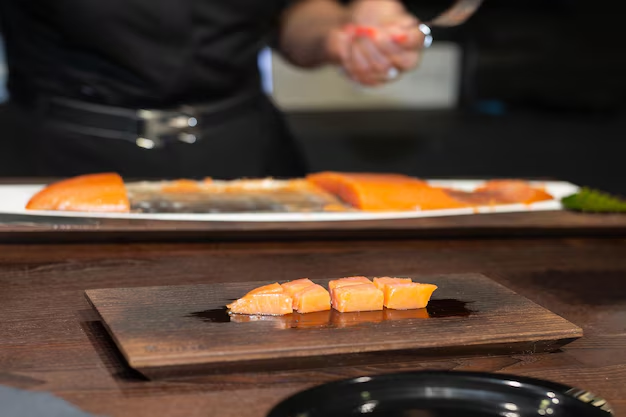
Sushi Bars and Omakase Counters
Sushi-focused restaurants are often the first place people look when they think about Japanese food.
Typical features include:
- Sushi bar seating where you can watch chefs prepare nigiri and rolls
- Omakase options, where the chef chooses a progression of dishes
- A mix of classic nigiri (like salmon, tuna, yellowtail) and creative rolls with sauces and toppings
- Simple hot dishes like miso soup, tempura, or grilled fish
If your priority is fresh fish and traditional technique, look for places that:
- Highlight nigiri and sashimi prominently
- Emphasize seasonal specials or “chef’s selections”
- Offer omakase or tasting-style menus
For a special night out, an omakase-focused restaurant can be a memorable way to experience Japanese dining in Atlanta.
Ramen Shops and Noodle Houses
Ramen has become a major part of Atlanta’s Japanese food landscape. Ramen-focused restaurants usually offer:
- Different broth styles such as:
- Tonkotsu (rich, pork-based)
- Shoyu (soy sauce-based)
- Miso (savory, fermented soybean base)
- Shio (clear, salt-based)
- Various toppings like chashu pork, soft-boiled eggs, bamboo shoots, and seaweed
- Side dishes such as gyoza (dumplings), karaage chicken, and small rice bowls
Some ramen shops lean more traditional, while others experiment with:
- Spicy variations
- Vegan or vegetarian broths
- Unique toppings and flavor combinations
If your idea of the “best Japanese restaurant in Atlanta” revolves around a comforting bowl of noodles, concentrating on ramen specialists can be especially rewarding.
Izakayas and Japanese Gastropubs
Izakayas are often described as Japanese-style pubs, focusing on small plates meant for sharing, usually alongside beer, sake, or cocktails.
Common menu items include:
- Yakitori (grilled skewers of chicken or vegetables)
- Karaage (Japanese-style fried chicken)
- Takoyaki (octopus balls)
- Okonomiyaki (savory pancake)
- Various pickles, salads, and grilled seafood
These restaurants often have:
- A lively, social atmosphere
- Menus designed for ordering multiple small dishes
- A wide sake or Japanese whisky selection
If you want a place that feels energetic and casual, an izakaya-style restaurant might fit your definition of “best.”
Casual Spots, Bento, and Takeout-Friendly Options
Not every great Japanese meal has to be a sit-down event. Atlanta also offers casual Japanese options such as:
- Bento boxes with rice, protein, pickles, and side dishes
- Quick-service sushi for lunch or after work
- Donburi bowls (rice bowls) with toppings like beef, tempura, or salmon
- Curry rice and lighter noodle dishes like udon or soba
These spots are often popular for:
- Office workers needing a fast, dependable lunch
- Students and locals wanting affordable, familiar dishes
- Takeout, delivery, or a quick solo meal
When your main goal is practicality and comfort rather than a long dining experience, these can easily become your personal “best Japanese restaurant” choice.
How to Evaluate a Japanese Restaurant in Atlanta
Because “best” is subjective, it helps to look for consistent signs of quality that apply across different styles of Japanese restaurants.
1. Menu Focus and Clarity
A thoughtful menu can signal a serious approach to the food:
- Specialization: Some of the most respected spots tend to focus on a particular area (for example, sushi, ramen, or yakitori) instead of trying to do everything at once.
- Seasonal offerings: Menus that change with the seasons or highlight daily specials often reflect attention to ingredients.
- Balanced variety: A good menu usually has a clear structure (starters, mains, specialty items) without overwhelming the diner.
2. Ingredient Quality and Freshness
While guests cannot see behind the scenes, there are signs that can hint at quality:
- Simple dishes taste clean and balanced, without relying mostly on heavy sauces.
- Fish texture in sushi is firm yet tender, not mushy or overly chewy.
- Ramen broth has depth and body rather than tasting thin or overly salty.
- Vegetables in tempura or salads still feel fresh and vibrant.
3. Technique and Presentation
Japanese cooking often emphasizes precision and visual appeal:
- Knife work in sashimi and garnishes is neat and uniform.
- Rice texture in sushi is properly seasoned and holds together without being gummy.
- Frying (like tempura or karaage) is crisp and light rather than oily.
- Plating is tidy and intentional, even for simple dishes.
4. Atmosphere and Hospitality
Many guests consider the overall experience when deciding what “best” means:
- Staff are attentive but not intrusive.
- The room feels comfortable, whether it is minimalist or cozy.
- The pace of service allows enough time to enjoy each course.
- Servers can explain unfamiliar dishes, ingredients, or customs without making guests feel out of place.
5. Consistency Over Time
When people talk about their favorite Japanese restaurant in Atlanta, they often mention that:
- The quality is steady, visit after visit.
- Signature dishes taste familiar in a good way, with occasional seasonal twists.
- The restaurant remains reliable for special occasions or important dinners.
Popular Types of Dishes to Try in Atlanta’s Japanese Restaurants
Exploring Japanese cuisine becomes easier when you recognize some of the core categories. Knowing these can help you navigate menus confidently, especially if you are trying a new restaurant for the first time.
Sushi and Sashimi
Sushi refers to vinegared rice paired with toppings, often raw fish. Sashimi is sliced raw fish served without rice.
Common styles:
- Nigiri – A slice of fish over a small mound of rice
- Maki – Rolls with fish or vegetables wrapped in seaweed and rice
- Temaki – Hand rolls shaped like cones
- Sashimi – Sliced fish, often served as part of a platter
If you want to evaluate a sushi restaurant, many diners pay attention to:
- The rice as much as the fish
- A simple nigiri selection to appreciate quality
- How well the restaurant balances traditional offerings and creative rolls
Ramen and Other Noodles
Beyond ramen, Japanese restaurants may offer:
- Udon – Thick, chewy wheat noodles in hot broth or stir-fried
- Soba – Buckwheat-based noodles, sometimes served chilled with dipping sauce
- Yakisoba – Stir-fried noodles with sauce and vegetables
In Atlanta, ramen tends to be the most visible, especially in urban neighborhoods with strong nightlife and lunch crowds.
Grilled and Fried Favorites
Some of the most popular “bar-style” or comfort dishes include:
- Yakitori – Skewered chicken parts, often seasoned with tare (a savory-sweet sauce) or salt
- Katsu – Breaded, fried cutlets such as tonkatsu (pork) or chicken katsu
- Tempura – Lightly battered and fried vegetables or seafood
- Gyoza – Pan-fried dumplings with ground meat and vegetables
These items are often found in izakayas, casual restaurants, and even some sushi bars.
Rice Bowls, Curry, and Home-Style Dishes
Many Japanese restaurants in Atlanta dedicate part of their menu to hearty, home-style plates, such as:
- Donburi (rice bowls) topped with:
- Gyudon (simmered beef)
- Katsudon (pork cutlet with egg)
- Tendon (tempura)
- Japanese curry rice, mild and stew-like
- Chirashi bowls – sushi rice topped with assorted sashimi
These dishes can be especially appealing for guests who want a filling, straightforward meal without navigating extensive menus.
Quick Reference: Choosing the Right Japanese Restaurant in Atlanta
Here is a simple overview to help you match your goal with the right type of restaurant:
| Your Priority 🧭 | Best Type of Spot to Look For 🍣 | What to Expect |
|---|---|---|
| Extremely fresh sushi and sashimi | Sushi bar / omakase-focused restaurant | Counter seating, chef-driven menus, higher prices, quieter atmosphere |
| Rich, comforting noodle soup | Ramen shop or noodle house | Multiple broth types, casual setting, fast service |
| Lively night out with drinks | Izakaya / Japanese pub | Small plates, skewers, shared dishes, energetic vibe |
| Affordable everyday meals | Casual Japanese cafe / bento / takeout | Rice bowls, curry, simple sushi, quick ordering |
| Special celebrations or dates | Upscale Japanese or omakase | Tasting menus, curated drink pairings, refined ambiance |
| Vegetarian- or vegan-friendly eats | Modern Japanese or ramen spot with options | Plant-focused dishes, veggie ramen, tofu specialties |
Neighborhood Considerations in Metro Atlanta
Different parts of Atlanta tend to feature different types of Japanese restaurants. While the exact mix can change over time, some general patterns often appear:
Midtown and Downtown
Frequently host trendy sushi bars, modern Japanese fusion, and ramen shops, drawing in office workers, residents, and visitors. These areas often blend nightlife with dining, so many restaurants stay busy in the evenings.Buckhead and Surrounding Areas
Often associated with upscale, special-occasion Japanese spots, including elegant sushi bars and omakase-style dining. These neighborhoods may appeal to those seeking a refined experience.Suburban Areas (e.g., in North Atlanta and nearby cities)
Many suburbs host reliable family-friendly Japanese restaurants, sushi-and-grill combinations, and casual spots. Some suburban corridors have developed reputations for diverse Asian dining, including Japanese, Korean, and fusion concepts.
Exploring beyond the city center can uncover restaurants that feel more local and less tourist-focused, which some diners prefer.
Practical Tips for Finding Your Best Japanese Restaurant in Atlanta
1. Clarify What You’re Craving
Before choosing a restaurant, it helps to define:
- Do you want sushi, ramen, or small plates?
- Are you looking for a quick meal or a long dinner?
- Is this for a date, family outing, or solo visit?
Being specific helps narrow down options so that your choice fits the moment, not just the general category of “Japanese.”
2. Read Menus Carefully
Many restaurants post menus where you can see:
- Whether they specialize in traditional or modern fusion
- How much emphasis they place on sushi vs. cooked dishes
- Whether they highlight seasonal items, chef’s recommendations, or omakase
Menus that clearly present their strengths make it easier to know what the restaurant is most proud of.
3. Consider Sake, Beer, and Beverage Programs
For some diners, a strong drink menu is part of what makes a restaurant the “best”:
- Sake lists can range from simple house selections to detailed menus with tasting notes.
- Japanese or craft beer options often pair well with ramen, fried dishes, or izakaya plates.
- Some places feature Japanese whisky and cocktails that incorporate ingredients like yuzu or shiso.
Even if you do not drink alcohol, beverage menus sometimes include unique teas, mocktails, or flavored sodas that add to the experience.
4. Think About Dietary Preferences
Many Japanese restaurants in Atlanta are increasingly mindful of different dietary needs. Common options may include:
- Vegetarian or vegan ramen using vegetable-based broths
- Vegetable sushi rolls, inari (tofu skin), and avocado-based dishes
- Gluten-conscious choices, such as plain sashimi, grilled fish, or dishes prepared with tamari instead of standard soy sauce
- Simple rice and vegetable combinations for those with multiple restrictions
Checking menus ahead of time can help you find a restaurant that aligns with your requirements.
5. Match the Atmosphere to the Occasion
Different Japanese restaurants cater to different moods:
- Quiet, minimalist interiors often suit dates or thoughtful conversation.
- Bustling, energetic izakayas are ideal for groups and celebrations.
- Bright, casual spaces work well for families and quick meals.
When searching for the “best Japanese restaurant in Atlanta,” considering the vibe can be just as important as the food itself.
Fast-Scan Checklist: Getting the Most from Atlanta’s Japanese Restaurants
Use this quick list as a practical guide before you choose where to go:
- 🍣 Want top-tier sushi?
- Look for restaurants that highlight nigiri, sashimi, and omakase rather than just long lists of fusion rolls.
- 🍜 Craving serious ramen?
- Check that the menu explains broth styles and offers a few focused variations instead of dozens of scattered options.
- 🍢 Planning a fun night with friends?
- Search for izakayas with skewers, small plates, and an extended drink list.
- 🍱 Need something quick and comforting?
- Choose bento, donburi, or curry-focused spots with clear lunch or takeout menus.
- 🥦 Have dietary preferences?
- Scan menus for vegetarian, vegan, or gluten-conscious choices such as vegetable ramen, tofu dishes, or simple grilled fish and rice.
- 🕯️ Looking for a special-occasion experience?
- Consider omakase or upscale Japanese restaurants where the menu is curated by the chef and the setting feels more intimate.
Bringing It All Together
Atlanta does not have a single “best Japanese restaurant” that fits every diner, every budget, and every occasion. Instead, it offers a wide spectrum of Japanese dining experiences, each with its own strengths:
- Refined sushi bars for those who value precision and simplicity
- Ramen shops for rich, warming bowls on a cool evening
- Izakayas for sociable nights with shared plates and drinks
- Casual cafes and bento spots for everyday comfort food
By understanding the main styles, recognizing signs of quality, and matching your expectations to the right type of restaurant, you can turn the search for the best Japanese restaurant in Atlanta into an ongoing exploration—one that evolves as you discover new neighborhoods, new dishes, and new favorites across the city.
Related Topics
- 356 Restaurant Atlanta
- 57th Fighter Group Restaurant Atlanta
- 57th Restaurant Atlanta Georgia
- 57th Squadron Restaurant Atlanta
- 5 Church Atlanta Restaurant
- 5 Seasons Restaurant And Brewery Atlanta
- 7 Lamps Restaurant Atlanta
- A2b Restaurant Atlanta
- African Restaurant Atlanta
- Alma Cocina Restaurant Atlanta
- Amalfi Restaurant Atlanta
- a Mano Atlanta Restaurant
- American Cut Restaurant Atlanta
- Anis Restaurant Atlanta Ga
- Antico Restaurant Atlanta
- Apres Diem Restaurant Atlanta
- Argosy Restaurant Atlanta
- Aria Atlanta Restaurant
- Asante Restaurant Atlanta
- Astor Court Restaurant Atlanta
- Atkins Park Restaurant Atlanta
- Atlanta Airport Restaurant
- Atlanta Bangladeshi Restaurant
- Atlanta Best Thai Restaurant
- Atlanta Biscuit Restaurant