Sizzling Nights Out: Your Guide to Hibachi Restaurants in Atlanta
Nothing quite matches the energy of a hibachi restaurant in Atlanta: the clatter of spatulas, bursts of flame, and the aroma of grilled steak, seafood, and fried rice all in one place. For many people in the city, hibachi is more than dinner—it’s a social experience that combines food, entertainment, and celebration.
This guide walks through what to expect, how to choose a hibachi spot in Atlanta, and how to make the most of your visit, whether you’re planning a family night, a date, or a birthday celebration.
What “Hibachi” Really Means in Atlanta
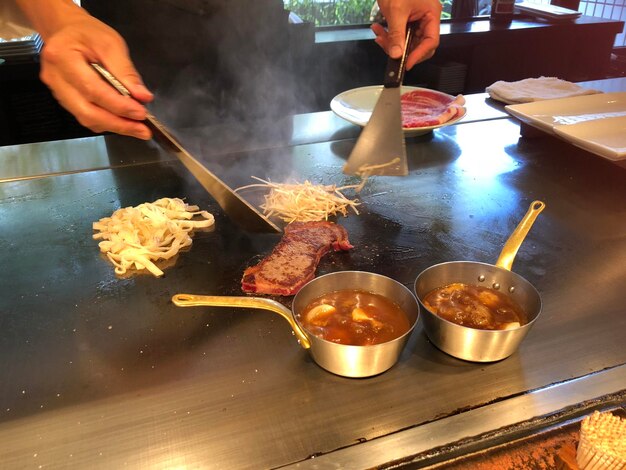
In many American cities, including Atlanta, “hibachi” is used as a casual term for what is technically teppanyaki-style dining:
- Guests sit around a large, flat iron grill
- A trained chef cooks in front of everyone
- There is often a show element: knife tricks, onion volcanoes, egg juggling, and playful banter
In everyday conversation, most diners simply say “hibachi restaurant” for this style of dining, so restaurants in Atlanta often use the term the same way.
Why Hibachi Is So Popular in Atlanta
Atlanta’s hibachi scene tends to appeal to:
- Families looking for a fun, interactive meal
- Groups celebrating birthdays, graduations, and work events
- Couples who enjoy something more lively than a standard sit-down dinner
- Food lovers who appreciate watching their meal prepared in real time
The combination of theatrical cooking, customizable dishes, and a communal table setup fits well with Atlanta’s social, event-driven dining culture.
What to Expect at a Hibachi Restaurant in Atlanta
Walking into a hibachi restaurant for the first time can feel a little different from a typical restaurant visit. Knowing the general flow helps you feel more relaxed and present.
Seating and Table Setup
Most hibachi restaurants in Atlanta use:
- Shared tables around a grill, seating multiple parties together
- Fixed seating times for each chef’s station
- Large group accommodations, often by booking an entire table
If you’re going with a group, many places encourage or require reservations, especially on weekends and holidays. Walk-ins may be possible, but you might wait for the next available seating around a grill.
The Hibachi Show
A typical hibachi experience in Atlanta often includes:
- A chef introducing themselves and sometimes asking if anyone is celebrating
- A lighthearted cooking show using spatulas, knives, and ingredients
- Familiar tricks like:
- The famous onion volcano
- Shrimp tail toss into a pocket or hat
- Egg spinning or juggling
- Occasional interactive moments, such as tossing small bites (for those who want to participate)
The tone is usually playful and energetic, but nearly all chefs adapt to the table’s mood—more reserved diners typically experience a quieter, more relaxed performance.
The Pace of the Meal
A hibachi meal usually follows this general rhythm:
- Drink and appetizer orders at the table
- Soup and salad served before grilling begins
- Chef arrives and starts the hibachi performance
- Preparation of:
- Fried rice or steamed rice
- Vegetables
- Proteins (chicken, steak, shrimp, scallops, tofu, etc.)
- Food is served in stages directly onto your plate
- Dessert, if offered, often comes after the main show is finished
From seating to final bite, the experience can feel more like a mini event than a quick meal.
Common Hibachi Menu Options in Atlanta
Menus vary by restaurant, but many hibachi restaurants around Atlanta share a similar structure.
Typical Hibachi Entrees
You’ll often find:
- Chicken hibachi
- Steak hibachi (such as sirloin or filet options)
- Shrimp hibachi
- Scallops or other seafood combinations
- Vegetable or tofu hibachi for plant-focused diners
- Combination plates, such as:
- Steak and shrimp
- Chicken and steak
- Chicken and shrimp
Most entrees are served with:
- Rice (fried or steamed)
- Mixed vegetables
- Soup and salad
- One or more dipping sauces (such as a creamy or ginger-based sauce)
Customization and Dietary Preferences
Many hibachi restaurants in Atlanta are accustomed to diners asking for adjustments. Common requests include:
- Light or no butter
- Extra vegetables
- No shellfish cooked near certain portions of the grill
- Sauce on the side
For specific dietary needs or preferences, guests often benefit from:
- Mentioning needs early to the server
- Politely confirming with the chef once they arrive at the grill
Restaurants differ in how much they can customize, but many can accommodate straightforward requests.
Choosing a Hibachi Restaurant in Atlanta
Atlanta offers a broad range of hibachi options—from casual neighborhood spots to more upscale venues. While personal taste plays a major role, some general factors frequently help diners decide.
Location and Accessibility
The metro area is spread out, so many people prioritize:
- Proximity to neighborhoods like Midtown, Buckhead, Downtown, or the suburbs
- Parking options, such as free lots versus paid decks or street parking
- Traffic patterns at peak evening or weekend hours
Atmosphere and Vibe
Different hibachi restaurants in Atlanta lean toward different atmospheres, such as:
- Family-oriented: brighter lighting, larger tables, kid-friendly energy
- Lively and social: louder music, celebratory feel, popular for birthdays
- More refined: dimmer lighting, polished decor, quieter conversation
Thinking about the type of night you want—celebratory, casual, or intimate—can help narrow your options.
Menu Range and Price Style
Hibachi generally provides:
- A set-style meal that includes several components
- Different tiers of protein choices, such as chicken at one price point and specialty cuts or seafood at higher ones
Some Atlanta spots offer:
- Expanded sushi menus alongside hibachi
- Full bars with cocktails, sake, beer, and wine
- Lunch hibachi options at different price levels than dinner
Diners often compare menus to align with their budget and preferences without relying only on a single factor like price.
Special Occasions at Hibachi Restaurants in Atlanta
Hibachi lends itself naturally to celebrations, which is why many Atlanta groups choose it for milestones and events.
Birthdays and Group Celebrations
Many hibachi restaurants are familiar with:
- Birthday celebrations at the grill
- Groups bringing cakes, balloons, or small decorations (often within the restaurant’s policies)
- Staff singing or offering a short birthday acknowledgment, sometimes with a small dessert
If you’re planning a celebration, it can be helpful to:
- Mention the occasion when making a reservation
- Ask about any policies related to outside desserts or decorations
- Clarify whether the restaurant offers group packages or special arrangements
Family-Friendly Hibachi Dining
Families often find hibachi appealing because:
- Children can watch a live cooking show
- Many places offer kids’ hibachi portions
- The environment is typically casual and energetic, where some noise and excitement are expected
For younger children or more sensitive guests, some families prefer:
- Seating a comfortable distance from the highest flames
- Letting the chef or server know if anyone is startled by loud noises or sudden bursts of fire
Lunch vs. Dinner Hibachi in Atlanta
The time of day can change the feel of your hibachi experience.
Lunch Hibachi
Many Atlanta hibachi restaurants offer:
- Simplified lunch menus
- A somewhat quicker pace than dinner
- A more relaxed and less crowded environment on weekdays
Lunch can appeal to people who want the hibachi experience in a shorter time frame, such as during a work break or a midday meetup.
Dinner Hibachi
Dinner tends to be:
- More theatrical and lively, especially on weekends
- A popular time for special occasions and large groups
- More likely to require advance reservations
If you’re planning to go during prime hours (for example, weekend evenings), many guests find it useful to:
- Reserve ahead
- Arrive slightly early to get settled and place drink orders before the chef arrives
Etiquette and Tips for a Smooth Hibachi Experience
Hibachi dining has its own rhythm and unspoken rules. Being aware of them can make the evening feel smoother for everyone at the table.
Sharing Space with Other Parties
Because hibachi often involves shared tables:
- You may sit close to people you don’t know
- Conversation frequently becomes table-wide instead of limited to individual parties
- Some guests enjoy the chance to chat, while others stay quieter and simply observe
Both approaches are generally accepted; the main consideration is to be respectful of shared space and mindful of noise level and personal boundaries.
Interacting with the Chef
Chefs at hibachi restaurants in Atlanta typically:
- Engage guests with jokes, lighthearted comments, or questions
- Gauge the table’s energy and adapt their performance
- Appreciate clear signals—laughing, responding, or politely indicating if you prefer a calmer approach
If you do not want to participate in certain interactive moments (like catching food), a simple, friendly refusal usually works well.
Tipping and Appreciation
As with many full-service restaurants, guests in Atlanta commonly:
- Tip based on overall service, including the server and the chef’s performance
- Consider the hibachi show as part of the hospitality experience
Specific amounts vary by personal preference, but a gesture of appreciation for the effort at the grill is common.
Sample Planning Checklist for Hibachi in Atlanta
To keep things smooth and enjoyable, many diners mentally walk through a basic checklist.
📝 Quick Hibachi Planning Guide
- ✅ Choose your area: Decide whether you want to stay close to home or explore a different Atlanta neighborhood.
- ✅ Check the vibe: Look for hints about whether the restaurant is family-focused, lively, or more refined.
- ✅ Call ahead or reserve: Especially on weekends and holidays, confirm availability.
- ✅ Clarify dietary needs: Note any adjustments you may ask for (sauce on the side, no shellfish near your portion, etc.).
- ✅ Plan timing: Consider how long you want to be out, especially with children or larger groups.
- ✅ Prepare for shared tables: Expect to possibly sit with other parties and share the show.
- ✅ Discuss expectations: Let your group know about the fire, noise level, and interactive elements so everyone is comfortable.
Hibachi vs. Other Japanese Dining Styles in Atlanta
Atlanta’s Japanese dining options often include more than hibachi. Understanding the differences can help you choose the best experience for each outing.
Hibachi / Teppanyaki
- Focus on live cooking at a shared grill
- Emphasis on entertainment and group experience
- Structured set of sides (soup, salad, veggies, rice) with entrée choices
Sushi Bars and Traditional Japanese Restaurants
- Individual plating rather than shared grills
- Emphasis on sushi, sashimi, ramen, donburi, or other specialty dishes
- Usually quieter and more intimate than hibachi
Many restaurants in Atlanta combine hibachi grills and separate sushi bars, allowing guests to choose their preferred style under one roof.
Making the Most of Your Hibachi Night in Atlanta
A hibachi night can feel like a small event in itself. With a little planning, guests often find the experience more relaxed and enjoyable.
Simple Ways to Elevate the Experience
Arrive a bit early ⏰
- Gives time to settle in, order drinks, and get comfortable before the show begins.
Coordinate your group 🎉
- If celebrating, let everyone know the plan so they arrive on time; hibachi grills generally start once most seats are filled.
Communicate kindly 🙌
- Share any important preferences or sensitivities with your server and, when needed, your chef.
Be present for the show 🔥
- Many diners enjoy putting phones aside for a while to fully watch the performance and engage with the table.
Key Takeaways: Hibachi Restaurant Atlanta 🥢🔥
Here’s a quick, skimmable summary of core points to remember:
- 🔥 Hibachi in Atlanta usually means teppanyaki-style dining with live cooking and a show.
- 👨🍳 Expect shared tables, a performing chef, and a structured meal that includes soup, salad, rice, vegetables, and your choice of protein.
- 🌆 Atlanta offers a range of atmospheres, from family-friendly and casual to more upscale and refined.
- 🎂 Hibachi is widely used for celebrations, especially birthdays and group events.
- 🕒 Lunch hibachi often feels quicker and calmer; dinner hibachi tends to be more energetic and event-like.
- 💬 Clear, polite communication about dietary preferences and comfort levels helps the staff shape the experience.
- 🪑 Shared seating means you might meet new people, adding to the communal and social energy of the night.
Stepping into a hibachi restaurant in Atlanta is less about grabbing a quick bite and more about taking part in a shared experience—one that blends food, flame, and fun at a single table. Whether you’re marking a milestone or simply trying something different for dinner, understanding how hibachi works helps you enjoy every moment, from the first spark on the grill to the final bite of fried rice.
Related Topics
- 356 Restaurant Atlanta
- 5 Church Atlanta Restaurant
- 5 Seasons Restaurant And Brewery Atlanta
- 57th Fighter Group Restaurant Atlanta
- 57th Restaurant Atlanta Georgia
- 57th Squadron Restaurant Atlanta
- 7 Lamps Restaurant Atlanta
- a Mano Atlanta Restaurant
- A2b Restaurant Atlanta
- African Restaurant Atlanta
- Alma Cocina Restaurant Atlanta
- Amalfi Restaurant Atlanta
- American Cut Restaurant Atlanta
- Anis Restaurant Atlanta Ga
- Antico Restaurant Atlanta
- Apres Diem Restaurant Atlanta
- Argosy Restaurant Atlanta
- Aria Atlanta Restaurant
- Asante Restaurant Atlanta
- Astor Court Restaurant Atlanta
- Atkins Park Restaurant Atlanta
- Atlanta Airport Restaurant
- Atlanta Bangladeshi Restaurant
- Atlanta Best Thai Restaurant
- Atlanta Biscuit Restaurant