Exploring Makimono: Sushi Roll & Japanese Fusion in Atlanta, GA (Menu Guide)
If you’re searching for Makimono sushi roll Japanese fusion restaurant Atlanta GA menu information, you’re probably trying to answer a few key questions at once:
What kind of sushi do they serve? How “fusion” is the food? Are there options for different diets, spice levels, and budgets?
Without promoting any specific business, this guide walks through what people typically find on a Japanese fusion sushi menu in Atlanta, how to read it, and how to choose rolls and dishes that match your taste and dietary needs.
What “Japanese Fusion” Usually Means in Atlanta
Japanese fusion restaurants in Atlanta often blend:
- Traditional Japanese techniques – sushi rice, maki rolls, tempura, miso-based flavors
- American and global influences – bold sauces, Cajun spices, Latin-inspired toppings, Southern ingredients
When you see a restaurant name or search phrase like “Makimono Sushi Roll Japanese Fusion Restaurant Atlanta GA Menu,” you can usually expect:
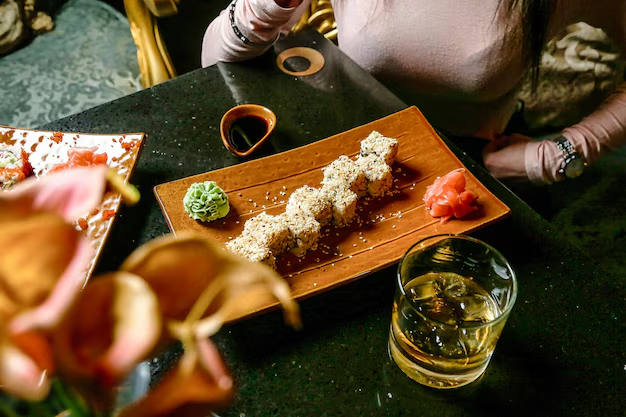
- A focus on maki (rolled sushi)
- A mix of classic rolls and creative house specials
- Cooked and raw options
- Flavor combinations that lean a bit more playful and bold than strictly traditional sushi bars
How Makimono-Style Menus Are Typically Organized
Most Japanese fusion sushi menus in Atlanta follow a similar structure. Even if each restaurant is different, you’ll commonly see sections like:
1. Appetizers & Small Plates
Starters usually set the tone for how “fusion” the restaurant is. Common items include:
- Edamame (often with sea salt, garlic, or spicy seasoning)
- Gyoza (pan-fried dumplings; sometimes filled with chicken, pork, or vegetables)
- Tempura (lightly battered shrimp, vegetables, or mixed platters)
- Spring rolls or egg rolls (with Japanese or pan-Asian fillings)
- Fusion starters such as:
- Tuna or salmon tartare with avocado and crispy wonton chips
- Spicy tuna “nachos” on wontons or crispy rice
- Crispy Brussels sprouts with Asian-style glaze
These dishes can help you gauge:
- How adventurous the kitchen is
- How heavily they rely on sauces and toppings
- Whether there are lighter, simpler options if you prefer something minimal
2. Classic Sushi Rolls (Makimono)
This is where the “Makimono” part of the name usually shows up in practice.
Classic maki rolls are often straightforward and familiar, such as:
- California Roll – usually crab (or imitation crab), avocado, cucumber
- Spicy Tuna Roll – tuna mixed with spicy mayo and sometimes scallions
- Spicy Salmon Roll – similar concept with salmon
- Avocado Roll, Cucumber Roll, Cucumber-Avocado Roll – simple vegetable rolls
- Philadelphia Roll – often salmon, cream cheese, and cucumber or avocado
- Eel (Unagi) Roll – eel with cucumber or avocado, typically topped with eel sauce
These rolls tend to:
- Be easier for sushi beginners
- Have cleaner flavor profiles with fewer toppings
- Be more budget-friendly than large speciality rolls
3. Signature & Fusion Rolls
This is usually the most eye-catching part of a Japanese fusion sushi menu in Atlanta.
Signature fusion rolls often feature:
- Multiple proteins (e.g., shrimp tempura inside, tuna or salmon on top)
- Layered toppings like avocado, tobiko/masago (fish roe), crunchy bits, and scallions
- Sauces – spicy mayo, eel sauce, yuzu mayo, sriracha-based sauces, creamy “house” sauces
- Textural elements – tempura flakes, crispy onions, fried shallots, or crunch mix
Common themes include:
- Shrimp tempura fusion rolls – often inside with cucumber or avocado, topped with spicy tuna, crab mix, or salmon
- Volcano or baked rolls – rolls topped with a warm, baked seafood mixture and creamy, spicy sauce
- Rainbow-style rolls – basic rolls (like California) topped with assorted sashimi slices
- “Dragon”-style rolls – eel or shrimp tempura inside, with sliced avocado and sauces layered on top
These rolls are usually:
- Rich and sauce-forward
- Designed to be visually impressive
- Popular with diners who enjoy bold flavor combinations
Nigiri, Sashimi, and Simple Cuts
Beyond maki and fusion rolls, many Japanese fusion spots in Atlanta also offer:
- Nigiri – slices of fish on compacted rice
- Sashimi – slices of fish served without rice
Common fish and seafood options include:
- Salmon
- Tuna
- Yellowtail
- Eel
- Shrimp
- Whitefish varieties
- Sometimes specialty items like scallop or sweet shrimp
This part of the menu typically appeals to:
- Diners who like the taste of the fish itself without many sauces
- People seeking lighter, lower-sauce options within a sushi restaurant
- Guests who want to balance a couple of heavier fusion rolls with simpler pieces
Hot Entrees & Kitchen Dishes
Because the phrase “Japanese fusion restaurant” often signals a broader menu, many places include hot dishes alongside sushi.
Typical categories:
Teriyaki & Stir-Fry Dishes
- Chicken, beef, shrimp, tofu teriyaki with rice and vegetables
- Stir-fried dishes with vegetables and a soy-based or house sauce
- Sometimes fusion-style bowls (e.g., protein over rice with both Japanese and Western toppings)
Noodle & Rice Dishes
- Yakisoba or udon – stir-fried or soup-based noodles
- Fried rice with vegetables, egg, and selected protein
- Occasionally fusion takes like spicy garlic noodles or ramen-influenced dishes
Bento-Style Combinations
Some Japanese fusion restaurants offer combination plates that may include:
- A small portion of teriyaki
- A few pieces of sushi or a roll
- Rice and salad
- A small appetizer item (such as gyoza or tempura)
These sections are useful for:
- Guests who don’t eat raw fish
- Groups with mixed preferences (some wanting sushi, others wanting cooked entrees)
- People looking for a single, balanced plate rather than multiple rolls
Common Dietary & Preference-Friendly Options
Many diners looking up “Makimono sushi roll Japanese fusion restaurant Atlanta GA menu” want to know if there are options that suit different needs. While each restaurant chooses its own recipes, several patterns show up frequently.
For Vegetarians and Vegans
Menus often include:
- Vegetable rolls – cucumber, avocado, sweet potato tempura, asparagus rolls
- Inari (sweet tofu pockets) in some cases
- Veggie tempura – broccoli, sweet potato, zucchini, and other vegetables
- Tofu stir-fries or tofu teriyaki
- Side salads (sometimes with ginger or sesame dressing)
It can be helpful to:
- Look for a “vegetarian” or “vegan” symbol on menu items if available
- Ask whether certain sauces contain mayonnaise, fish components, or dairy
For Those Avoiding Raw Fish
Options often include:
- Cooked rolls with:
- Shrimp tempura
- Baked or grilled eel
- Cooked crab or imitation crab
- Fully cooked salmon or tuna in some recipes
- Hot entrees like teriyaki, katsu, or stir-fry dishes
- Soups and noodles such as miso soup, clear broth soups, and noodle soups
Scanning the menu for words like “tempura,” “grilled,” “baked,” or “fried” can help identify cooked items.
For Gluten-Conscious Diners
Some guests aim to reduce or avoid gluten. At many Japanese fusion restaurants:
- Soy sauce and some teriyaki/eel sauces can contain gluten
- Tempura batter is often made with wheat flour
- Certain imitation crab products may include wheat-based ingredients
People commonly:
- Ask if gluten-free soy sauce or tamari is available
- Choose sashimi, simple nigiri, or rolls without sauces or tempura when feasible
- Check whether any rice-based dishes or grilled proteins can be prepared with minimal or no sauce
For Spicy Food Lovers (or Avoiders)
Fusion sushi menus in Atlanta often emphasize spice:
- Spicy mayo, sriracha-based sauces, or chili oil
- Rolls with “spicy” in the name
- Jalapeño slices or chili threads as toppings
Guests who love spice often look for:
- “Spicy tuna,” “spicy salmon,” or “volcano” descriptions
- Rolls topped with jalapeños, chili sauces, or wasabi-infused elements
Guests who prefer mild flavors often:
- Request sauces on the side
- Choose classic rolls without spice descriptors
- Avoid dishes described as “volcano,” “hot,” or “fiery”
Sample Layout of a Makimono-Style Sushi & Fusion Menu
Every restaurant is unique, but a typical structure might look like this:
| Menu Section | What You’ll Often Find |
|---|---|
| Starters & Appetizers | Edamame, gyoza, tempura, fusion small plates (e.g., tuna tartare, crispy rice) |
| Classic Sushi Rolls | California, spicy tuna, spicy salmon, cucumber, avocado, eel, Philadelphia |
| Signature Fusion Rolls | Shrimp tempura rolls, baked “volcano” rolls, dragon-style rolls, rainbow-style rolls |
| Nigiri & Sashimi | Salmon, tuna, yellowtail, eel, shrimp, whitefish |
| Hot Entrees & Noodles | Teriyaki dishes, stir-fries, fried rice, yakisoba or udon, possibly ramen-style bowls |
| Combos & Bentos | Mixed plates combining sushi, hot items, rice, salad, and small sides |
| Lunch Specials (if any) | Smaller portions or set combinations at midday |
| Desserts & Beverages | Ice cream variations, mochi, soft drinks, teas, and sometimes specialty beverages |
This kind of structure helps diners quickly find the part of the menu that matches their hunger level, dietary preferences, and interest in fusion versus traditional flavors.
How to Choose Sushi Rolls That Match Your Taste
When you’re scanning a Japanese fusion sushi menu in Atlanta, it can feel overwhelming. Focusing on a few key preferences can make decisions easier.
1. Decide: Simple or Fully Loaded?
- If you enjoy cleaner flavors:
- Look at classic maki and nigiri/sashimi sections
- Choose rolls described with just a few ingredients and fewer sauces
- If you enjoy layered, bold flavors:
- Explore the signature/fusion roll section
- Look for rolls with toppings, crunchy textures, and multiple sauces
2. Consider Your Comfort with Raw Fish
- Comfortable with raw:
- Tuna, salmon, yellowtail, and assorted sashimi-topped rolls may be appealing
- Prefer cooked only:
- Focus on shrimp tempura rolls, eel rolls, and hot entree sections
- Check descriptions for terms like “baked,” “fried,” “grilled,” or “tempura”
3. Think About Texture
Fusion rolls often build interest through texture. Some general patterns:
- Crunchy – tempura flakes, crispy onions, fried wontons
- Creamy – avocado, cream cheese, mayo-based sauces
- Fresh & crisp – cucumber, lettuce, pickled vegetables, microgreens
When reading descriptions, notice what ingredients are inside and on top to match the textures you enjoy most.
Practical Tips for Navigating a Japanese Fusion Sushi Menu 🍣
Here are some quick, skimmable pointers that often help diners when exploring a Makimono-style sushi and fusion restaurant menu in Atlanta:
🔍 Scan section titles first
Start with: Starters → Classic Rolls → Signature Rolls → Hot Entrees. This gives you a quick overview before you dive into every detail.🍤 New to sushi? Begin with cooked or classic
Shrimp tempura rolls, eel rolls, or California-style rolls are common starting points for people new to sushi flavors.🌶️ Check spice levels in the description
Words like “spicy,” “volcano,” or “fire” usually signal a bolder heat level. Ask for sauces on the side if you prefer control over spice.🥦 Vegetarian or vegan? Look for vegetable sections or icons
Many menus highlight vegetable rolls and tofu dishes with symbols or separate sections.🍱 Want variety? Consider combination plates
Bento-style or combo meals can give you a small taste of sushi, sides, and hot food without ordering many separate dishes.💧 Balance rich rolls with lighter items
If you order multiple signature rolls with creamy or fried elements, pairing them with simple nigiri, sashimi, or a side salad can help balance the meal.❓ Ask about ingredients when in doubt
If you have dietary restrictions or allergies, requesting details about sauces, batters, and fillings is a common and practical step.
What Makes Atlanta’s Japanese Fusion Scene Distinct?
Atlanta’s dining culture tends to value:
- Bold, expressive flavors – often reflected in spicy sauces, rich toppings, and creative roll names
- Cultural blending – influences from Southern cuisine, Latin flavors, and broader pan-Asian trends
- Group-friendly dining – menus designed so that sushi fans, non-sushi eaters, and different dietary needs can sit at the same table and all find something suitable
As a result, a “Makimono sushi roll Japanese fusion restaurant Atlanta GA menu” will often:
- Highlight signature rolls more prominently than ultra-traditional omakase or minimalist offerings
- Offer a mix of casual shareable plates and more structured entrees
- Combine familiar ingredients (like cream cheese, fried shrimp, and crunchy toppings) with Japanese staples (like sushi rice, seaweed, and miso-based flavors)
Bringing It All Together
When you search for Makimono sushi roll Japanese fusion restaurant Atlanta GA menu, you’re really looking for a roadmap to:
- The types of sushi rolls and Japanese fusion dishes you can expect
- How to find classic versus creative options
- Which parts of the menu are most likely to fit your taste preferences and dietary needs
By understanding how Japanese fusion menus are usually structured—starters, classic maki, signature rolls, nigiri/sashimi, and hot entrees—you can scan any similar menu in Atlanta with more confidence. From there, focusing on raw vs. cooked, level of “fusion,” texture, and spice gives you a straightforward way to choose dishes you are likely to enjoy.
The next time you open a Japanese fusion sushi menu in Atlanta, you’ll be able to read between the lines: not just what a roll is called, but how it will probably taste, feel, and fit into the rest of your meal.
Related Topics
- 356 Restaurant Atlanta
- 57th Fighter Group Restaurant Atlanta
- 57th Restaurant Atlanta Georgia
- 57th Squadron Restaurant Atlanta
- 5 Church Atlanta Restaurant
- 5 Seasons Restaurant And Brewery Atlanta
- 7 Lamps Restaurant Atlanta
- A2b Restaurant Atlanta
- African Restaurant Atlanta
- Alma Cocina Restaurant Atlanta
- Amalfi Restaurant Atlanta
- a Mano Atlanta Restaurant
- American Cut Restaurant Atlanta
- Anis Restaurant Atlanta Ga
- Antico Restaurant Atlanta
- Apres Diem Restaurant Atlanta
- Argosy Restaurant Atlanta
- Aria Atlanta Restaurant
- Asante Restaurant Atlanta
- Astor Court Restaurant Atlanta
- Atkins Park Restaurant Atlanta
- Atlanta Airport Restaurant
- Atlanta Bangladeshi Restaurant
- Atlanta Best Thai Restaurant
- Atlanta Biscuit Restaurant