Exploring Nakato Japanese Restaurant in Atlanta: A Complete Visitor’s Guide
If you search for “Nakato Japanese Restaurant Atlanta”, you are usually looking for more than a menu. Many people want to know what kind of experience to expect, whether it is suited for a special occasion, what the food is like beyond basic sushi, and how it compares to other Japanese dining options in the city.
Nakato has become one of the better-known Japanese restaurants in Atlanta, especially for those curious about teppanyaki, sushi, and traditional Japanese dining in one place. This guide walks through what visitors often look for: atmosphere, menu highlights, dining formats, tips for planning a visit, and how it fits into Atlanta��s broader Japanese restaurant scene.
What Makes Nakato Stand Out in Atlanta?
Nakato is often associated with:
- Teppanyaki-style cooking (sometimes called hibachi), where a chef prepares food on a flat grill in front of guests.
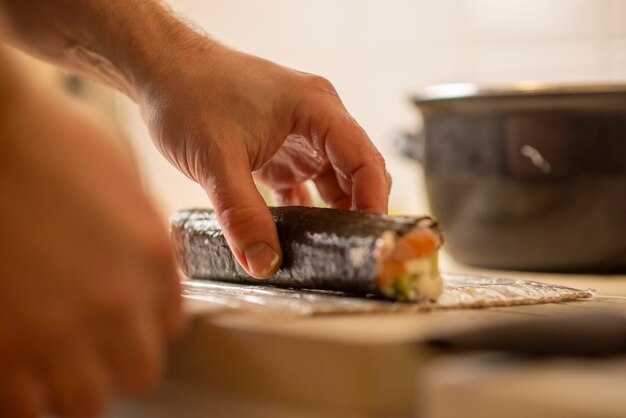
- A dedicated sushi bar with rolls, nigiri, and sashimi.
- A more traditional Japanese dining room, separate from the louder teppanyaki area.
This combination gives visitors several ways to experience Japanese cuisine under one roof, which is part of the appeal for groups with mixed preferences.
Location and First Impressions
Nakato Japanese Restaurant is located on Cheshire Bridge Road in Atlanta, a corridor known for a mix of long-standing restaurants and international food options. Visitors often notice:
- A standalone building with Japanese-inspired design touches.
- A lobby that typically divides into teppanyaki tables on one side and more conventional seating on the other.
- An atmosphere that can range from lively and theatrical (teppanyaki) to calmer and conversational (traditional dining and sushi bar).
For many guests, Nakato functions as both a special-occasion spot and a familiar neighborhood restaurant, depending on how they use the space.
Dining Options: Teppanyaki, Sushi, and Traditional Seating
One of the most practical things to understand before visiting Nakato is its three main dining formats. Choosing the right setup can strongly shape the experience.
Teppanyaki (Hibachi-Style Grilling)
In the teppanyaki section, guests are seated around a large steel grill where the chef cooks in front of everyone. This is often what people imagine when they look up “Nakato Japanese Restaurant Atlanta.”
Common characteristics include:
- Group seating around shared grills.
- Interactive cooking, with chefs performing simple tricks or light showmanship.
- Set combination entrées that can include steak, chicken, shrimp, scallops, or vegetables.
Teppanyaki tends to be:
- Loud and energetic, often chosen for birthdays, celebrations, and group events.
- Structured, with meals following a typical sequence: soup, salad, grilled entrée with rice and vegetables, sometimes dessert.
Because of the group-style setup, timing matters. Guests often coordinate reservations to avoid long waits, especially on weekends or holidays.
Sushi Bar
The sushi bar area has a different feel from the teppanyaki tables. Visitors who prefer a quieter, more food-focused experience often gravitate here.
You can generally expect:
- A menu featuring nigiri, sashimi, classic rolls, and specialty rolls.
- Counter seating where you can see sushi being prepared, along with regular tables.
- A mix of familiar options (such as tuna, salmon, shrimp) and more traditional cuts depending on availability.
Many diners use Nakato’s sushi bar for:
- Casual dinners.
- A light meal before or after activities.
- A way to sample Japanese food without committing to a full teppanyaki performance.
Traditional Japanese Dining Room
Nakato also offers a more conventional Japanese dining room, sometimes chosen by guests who want:
- A quieter atmosphere for conversation.
- Access to a broader menu beyond sushi and teppanyaki.
- A setting that feels closer to a classic sit-down restaurant.
Here, diners often explore items such as:
- Tempura dishes.
- Teriyaki or grilled fish items.
- Appetizers and sides that reflect Japanese home-style or izakaya-style influences.
What’s on the Menu? Common Highlights
Exact offerings can change over time, but several menu patterns are common in restaurants like Nakato that combine teppanyaki, sushi, and traditional dishes.
Popular Teppanyaki Choices
Teppanyaki entrées usually revolve around:
- Steak (various cuts).
- Chicken (often with a mild teriyaki-style sauce).
- Seafood such as shrimp, scallops, or salmon.
- Vegetable-only options for those avoiding meat or seafood.
These dishes are typically served with:
- Soup and salad to start.
- Stir-fried vegetables cooked on the grill.
- Rice (sometimes with an option to upgrade to fried rice).
Guests often view teppanyaki as a “full experience” meal, since it combines entertainment, multiple courses, and a main entrée.
Sushi and Sashimi Selections
The sushi section often features:
- Nigiri: slices of fish or seafood over rice.
- Sashimi: fish served without rice.
- Classic rolls: combinations like tuna, salmon, yellowtail, cucumber, and avocado.
- Specialty rolls: more elaborate combinations with various sauces, textures, or tempura elements.
Many visitors choose to:
- Start with one or two simple rolls to gauge freshness and style.
- Add chef-selected assortments or combination platters if available.
- Mix sushi with hot appetizers or small plates.
Traditional and Cooked Dishes
Outside the sushi and grill, Nakato generally offers:
- Tempura (lightly battered and fried seafood and vegetables).
- Teriyaki-style dishes served with rice.
- Appetizers such as gyoza (dumplings), edamame, or grilled skewers, depending on the current menu.
This section is often useful for:
- Guests who prefer fully cooked food.
- Those who enjoy Japanese flavors but do not eat raw fish.
- Mixed groups where some want sushi and others prefer familiar, cooked entrées.
Practical Tips for Visiting Nakato Japanese Restaurant in Atlanta
For people searching “Nakato Japanese Restaurant Atlanta,” a few logistical and planning details often matter just as much as the menu.
Reservations, Wait Times, and Group Visits
🍣 Quick planning tips:
- Teppanyaki tables: These are commonly booked in advance, especially for weekends and peak evening hours. Larger groups often plan ahead to sit together.
- Sushi and traditional dining: Walk-ins may be more feasible here, though busy nights can still mean a wait.
- Special occasions: Many guests choose Nakato for birthdays or group celebrations. It can help to mention this when booking, so the staff can seat the group in the most suitable section.
Parking and Arrival
Nakato typically offers on-site parking, which is a practical advantage in an area of Atlanta where parking can sometimes be limited. Guests often find it helpful to:
- Arrive a little earlier than the reservation time, especially on weekends.
- Allow time to check in, as teppanyaki seating can be structured by table group rather than individual parties.
Dietary Preferences and Restrictions
Like many Japanese restaurants, Nakato’s style lends itself to a variety of dietary patterns, although choices depend on the current menu and kitchen policies.
Common approaches diners use include:
- Vegetarian options: Vegetable rolls, salads, tofu-based dishes, or vegetable teppanyaki plates where available.
- Avoiding raw fish: Sticking to cooked sushi rolls, tempura, grilled items, and teppanyaki entrées.
- Simpler preparations: Requesting lighter sauces or certain items on the side, when possible.
Guests with specific dietary needs often check in with staff to see how dishes can be prepared or adjusted.
How Nakato Fits Into Atlanta’s Japanese Dining Scene
Atlanta has seen growth in Japanese and other East Asian restaurants, including:
- Dedicated ramen shops.
- Small, chef-driven sushi counters.
- Casual spots offering bento, donburi, and street-food-inspired dishes.
Within this landscape, Nakato tends to stand out as:
- A multi-format Japanese restaurant, combining teppanyaki, sushi, and traditional dining.
- A place where both first-time visitors to Japanese cuisine and longtime fans can find something familiar.
- An option for family gatherings and group events, thanks to the teppanyaki setup.
Many locals view Nakato as one of the long-established Japanese presences in the city, especially for those who want a mixture of performance-style dining and classic menu items in a single location.
Simple Overview: Planning a Visit to Nakato in Atlanta
Here is a quick reference guide to help organize the visit.
| ✅ Question | ℹ️ What to Expect at Nakato Japanese Restaurant Atlanta |
|---|---|
| What is the main draw? | A combination of teppanyaki grilling, sushi bar, and traditional dining |
| Best for groups? | Teppanyaki section for an interactive, shared-grill experience |
| Quieter option? | Sushi bar or traditional dining room for a calmer meal |
| Raw fish required? | No. There are plenty of cooked dishes and vegetable-based options |
| Need a reservation? | Common for teppanyaki, especially on busy nights or with larger groups |
| Location type? | Standalone restaurant on Cheshire Bridge Road with on-site parking |
| Occasion suited for? | Birthdays, family gatherings, casual sushi nights, or a more formal sit-down meal |
Key Takeaways for “Nakato Japanese Restaurant Atlanta”
For anyone exploring Nakato Japanese Restaurant in Atlanta, a few core points can help set expectations:
- Multiple experiences in one place: You can choose between dynamic teppanyaki, a more focused sushi bar, or a traditional dining room.
- Flexible for different tastes: Options generally range from raw fish to fully cooked entrées, with vegetarian-friendly choices depending on current offerings.
- Suited to both special occasions and everyday dining: Many people use Nakato for celebrations, while others see it as a reliable choice for Japanese food in the city.
- Location and logistics are relatively straightforward: On-site parking and a central Atlanta location make it accessible to many residents and visitors.
For those searching “Nakato Japanese Restaurant Atlanta,” understanding these elements can make it easier to decide whether it matches the kind of meal, atmosphere, and occasion they have in mind—and to choose the section of the restaurant that best fits their visit.
Related Topics
- 356 Restaurant Atlanta
- 57th Fighter Group Restaurant Atlanta
- 57th Restaurant Atlanta Georgia
- 57th Squadron Restaurant Atlanta
- 5 Church Atlanta Restaurant
- 5 Seasons Restaurant And Brewery Atlanta
- 7 Lamps Restaurant Atlanta
- A2b Restaurant Atlanta
- African Restaurant Atlanta
- Alma Cocina Restaurant Atlanta
- Amalfi Restaurant Atlanta
- a Mano Atlanta Restaurant
- American Cut Restaurant Atlanta
- Anis Restaurant Atlanta Ga
- Antico Restaurant Atlanta
- Apres Diem Restaurant Atlanta
- Argosy Restaurant Atlanta
- Aria Atlanta Restaurant
- Asante Restaurant Atlanta
- Astor Court Restaurant Atlanta
- Atkins Park Restaurant Atlanta
- Atlanta Airport Restaurant
- Atlanta Bangladeshi Restaurant
- Atlanta Best Thai Restaurant
- Atlanta Biscuit Restaurant