Exploring Nepali Food in Atlanta: Where Himalayan Flavors Meet Southern Hospitality
If you are looking for something beyond the usual curry houses, buffets, and takeout, Nepali restaurants in Atlanta offer a different side of South Asian cuisine. Think aromatic spices without overwhelming heat, mountain-style dumplings, soulful soups, and grilled meats that feel both familiar and new.
Atlanta’s food scene has grown more diverse over time, and Nepali food has slowly carved out its own space alongside Indian, Thai, and Vietnamese options. This guide walks through what to expect, what to order, and how to get the most out of your first (or next) Nepali dining experience in Atlanta.
What Makes a Nepali Restaurant Different?
At a quick glance, a Nepali restaurant in Atlanta may look similar to an Indian or Himalayan place. Menus sometimes overlap, and many restaurants serve a mix of Nepali, Indian, and Tibetan dishes. Still, there are clear differences in flavor, style, and everyday staples.
Core Characteristics of Nepali Cuisine
1. Mild, layered spice rather than intense heat
Nepali dishes often use:
- Cumin
- Coriander
- Turmeric
- Ginger and garlic
- Fenugreek and timur (a type of Sichuan pepper used sparingly)
The result is usually aromatic and savory, with controlled heat. Diners who prefer flavorful but not fiery food tend to find Nepali dishes approachable.
2. Rice, lentils, and vegetables as everyday essentials
A typical home-style Nepali meal is built around:
- Bhat – steamed rice
- Dal – lentil soup
- Tarkari – lightly spiced vegetable or meat curry
- Achar – tangy pickles or chutneys
Many Nepali restaurants in Atlanta echo this format through dal bhat sets or combination platters.
3. Influence from the Himalayas and neighboring regions
Because of Nepal’s location, its cuisine often blends ideas from:
- Northern Indian dishes (curries, naan, spice blends)
- Tibetan and Himalayan food (momos, thukpa, noodle soups)
- Local mountain ingredients (buckwheat, millet, seasonal greens)
This mix makes Nepali menus feel both comforting and adventurous for diners already familiar with broader South Asian food.
Popular Dishes to Try at a Nepali Restaurant in Atlanta
When you walk into a Nepali restaurant in or around Atlanta, certain dishes show up again and again. These are a helpful starting point if you are exploring the cuisine for the first time.
Momos: The Must-Try Dumplings
Momos are often the star of the menu. They are dumplings with:
- A thin, soft wrapper
- Juicy fillings such as minced chicken, pork, buff (abroad often replaced with beef or other meats), or mixed vegetables
- A side of achar – a tomato or sesame-based dipping sauce that can be tangy, smoky, or spicy
Common momo styles include:
- Steamed momos – Soft, juicy, and closest to the traditional version
- Fried or pan-fried momos – Crisp on the outside, tender inside
- Jhol momos – Served in a warm, flavorful, often slightly spicy broth or sauce
Many guests at Nepali restaurants in Atlanta treat momos as a must-order item, either as a shared starter or a main dish.
Dal Bhat: The Everyday Nepali Set
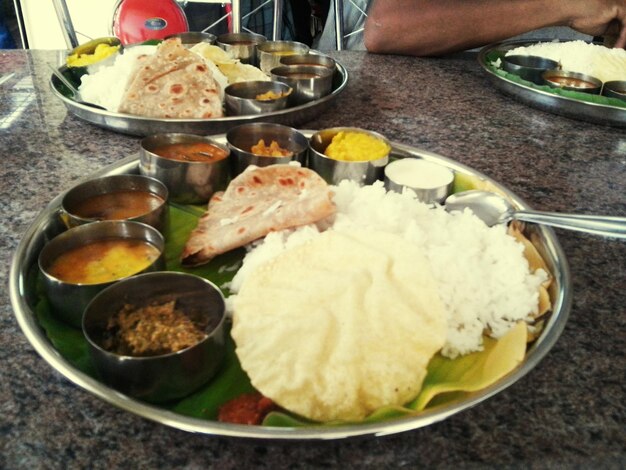
If you want to understand daily Nepali eating habits, order a dal bhat set if it is available. It usually includes:
- Steamed rice
- Lentil soup
- Seasonal vegetable curry
- A small portion of meat or paneer (optional)
- Pickles or chutneys
- Sometimes greens, papad, or yogurt
Dal bhat is often described as simple, balanced, and filling, and many restaurants present it on a metal thali (round tray) with different components in small bowls.
Thukpa and Noodle Dishes
Thukpa is a hearty noodle soup that reflects Tibetan and Himalayan influences. It commonly includes:
- Wheat noodles or sometimes rice noodles
- A light to medium-bodied broth
- Vegetables, herbs, and optional meat or egg
In colder regions, this type of dish is considered comfort food, and in Atlanta it can feel especially satisfying on rainy or chilly days.
Some Nepali restaurants also offer:
- Chow mein – Stir-fried noodles with vegetables and sometimes meat
- Thenthuk – Hand-pulled noodle soup, where available
Grilled and Stir-Fried Favorites
Many Nepali menus in Atlanta include dishes that are ideal for sharing:
- Sekuwa – Marinated, grilled meat pieces, often served with salad and chutneys
- Choila – Spiced, grilled, or roasted meat, sometimes served cold with beaten rice
- Sadeko items – “Tossed” or marinated salads, sometimes using peanuts, potatoes, or beans with spices and citrus
These plates tend to be bold in flavor and great for groups.
Vegetarian, Vegan, and Gluten-Conscious Options
Many visitors look for specific dietary options when choosing a Nepali restaurant in Atlanta. While menus vary by location, there are some general patterns.
Vegetarian-Friendly Patterns
Because lentils, rice, and vegetables are central to Nepali cooking, most restaurants naturally provide multiple vegetarian choices, such as:
- Vegetable momos
- Vegetable or paneer curries
- Dal and rice combinations
- Saag (leafy greens)
- Aloo-based dishes (potato curries or stir-fries)
Vegan Possibilities
Vegan options depend on how each restaurant uses ghee, butter, yogurt, or paneer. However, it is common to find:
- Lentil dishes made with oil instead of ghee
- Vegetable curries that can be prepared without dairy upon request
- Plain rice, roti, and many chutneys that are naturally dairy-free
📝 Tip: When visiting a Nepali restaurant in Atlanta, asking staff which dishes are prepared without ghee, cream, or paneer is often the most reliable way to find vegan-friendly choices.
Gluten Considerations
- Rice-based dishes (dal bhat, many curries with rice) tend to be naturally gluten-free.
- Some breads may contain wheat, and dumpling wrappers are commonly wheat-based.
- Sauces and marinades may occasionally use soy sauce or other ingredients with gluten, depending on the restaurant’s style.
Those who are gluten-sensitive or avoiding gluten often benefit from clarifying ingredient details with the staff before ordering.
How Nepali Restaurants Fit into Atlanta’s Food Landscape
Atlanta’s restaurant scene features long-established Southern cooking alongside growing global food options. Nepali restaurants have gradually found their place within this landscape.
Shared Spaces with Indian and Himalayan Menus
Many Nepali restaurants in Atlanta operate as:
- Nepali–Indian restaurants, offering both cuisines
- Himalayan or Indo-Himalayan spots, mixing Nepali, Tibetan, and North Indian dishes
This shared style can make menus more accessible to guests who already know dishes like:
- Butter chicken
- Tandoori items
- Samosas
- Naan and roti
At the same time, it introduces distinctly Nepali specialties such as momos, dal bhat, and sekuwa.
Neighborhoods and Dining Context
Nepali restaurants in and around Atlanta can appear in:
- Busy commercial corridors with a mix of South Asian eateries
- Suburban strips that include Indian groceries and spice markets
- Urban neighborhoods where international foods are concentrated
The setting often influences the atmosphere: some places feel more like casual family-run spots, while others present a more contemporary, fusion-friendly look with a broader menu.
What to Expect When You Visit a Nepali Restaurant in Atlanta
For diners new to Nepali cuisine, knowing what to expect can help make the experience more relaxed and enjoyable.
Atmosphere and Service
While every restaurant has its own personality, many Nepali places in Atlanta tend to:
- Be casual and welcoming, suitable for family meals or small gatherings
- Feature simple decor, sometimes with Nepali art, prayer flags, or Himalayan imagery
- Offer table service with staff who are often happy to explain dishes to newcomers
Some restaurants may also provide lunch specials, combination plates, or buffet-style options, especially in areas with heavy daytime traffic.
Ordering Format
Menus in Nepali restaurants often group items into categories such as:
- Starters – momos, samosas, small bites
- Soups and noodles – thukpa, chow mein
- Thali or set meals – dal bhat combinations
- Curries – both vegetarian and non-vegetarian
- Tandoor or grilled items – sekuwa, kebabs, tandoori chicken (if they share an Indian-style kitchen)
Many diners start with momos or another appetizer, then share a mix of curries, rice, and breads for the table.
Quick Guide: How to Order If You Are New to Nepali Food
Here is a simple decision aid if you are visiting a Nepali restaurant in Atlanta for the first time.
Starter Combinations
Want something familiar?
- Try: Vegetable samosas or pakoras
Want something distinctly Nepali?
- Try: Steamed momos with achar
Main Course Ideas
Prefer a balanced, traditional meal?
- Order: Dal bhat set (rice, lentils, vegetables, pickles, and optional meat)
Prefer sharing plates with a group?
- Choose:
- One or two curries (vegetable, chicken, lamb, or paneer)
- A grilled item like sekuwa or tandoori-style meat (if offered)
- Rice and naan/roti for the table
- Choose:
Craving noodles or soup?
- Go for: Thukpa or stir-fried chow mein
Heat and Spice Levels
Many Nepali dishes are moderately spiced by default. Some restaurants allow guests to request “mild,” “medium,” or “hot.”
🔥 Tip for spice-sensitive diners:
Ask which dishes are naturally mild and whether the kitchen can reduce chili content. Many Nepali kitchens can adjust spice levels within reason.
Practical Tips for Enjoying Nepali Restaurants in Atlanta
Here is a compact set of tips to make the most of your visit.
🧭 Quick Takeaways for Diners
- 🍲 Start with momos – They are often the most recognizable and widely enjoyed Nepali dish.
- 🍛 Try a dal bhat set if you want to experience an everyday-style Nepali meal.
- 🌱 Ask about vegetarian and vegan options – many dishes can be adapted.
- 🌶️ Clarify spice levels if you are sensitive to heat or prefer bolder flavors.
- 👨👩👧👦 Share dishes family-style to sample more of the menu in one visit.
- 📍 Be open to fusion menus – many Atlanta spots blend Nepali, Indian, and Tibetan items.
Cultural Notes: Dining Beyond the Plate
Part of the appeal of a Nepali restaurant in Atlanta is the cultural experience that comes with the food.
Hospitality and Sharing
In many Nepali households, meals are considered an important time for:
- Family connection
- Guest hospitality
- Sharing from common dishes
This sense of warm, communal dining often translates into restaurant culture as well, where:
- Portion sizes can be generous
- Staff may encourage sharing plates
- Guests are sometimes invited to try pickles or chutneys that reflect home cooking
Festivals and Special Dishes
Around certain festivals or cultural occasions, some Nepali restaurants may offer:
- Special sweets or festive foods
- Expanded menus, particularly on weekends or holiday periods
- Occasional cultural decorations or music reflecting Nepali traditions
These offerings vary by restaurant, but they can provide a deeper glimpse into Nepali culture beyond everyday menu items.
Comparing Nepali, Indian, and Tibetan Menu Elements
Because many Atlanta restaurants blend these cuisines, it can help to understand how they differ on the plate.
| Aspect | Often Nepali-Leaning | Often Indian-Leaning | Often Tibetan/Himalayan-Leaning |
|---|---|---|---|
| Signature item | Momos, dal bhat, sekuwa | Butter chicken, biryani, paneer dishes | Thukpa, thenthuk, tingmo (steamed bread) |
| Spice profile | Aromatic, moderate, bright pickles | Wide range; can include rich, creamy gravies | Simpler broths, hearty, less oily |
| Staples | Rice, lentils, seasonal vegetables | Rice, wheat breads, lentils, legumes | Noodles, soups, steamed breads |
| Presentation | Thali or set platters, shared plates | Individual curries, tandoori platters | Bowls of soup and noodles |
In Atlanta, a single restaurant might combine items from all three columns on one menu, especially in areas where “Himalayan” or “Nepali–Indian” restaurants serve a broad audience.
How to Find a Nepali Restaurant in Atlanta That Fits Your Preferences
While specific naming or ranking is beyond the scope of this guide, there are general steps diners often use to find a Nepali restaurant that suits their tastes.
Factors Diners Commonly Consider
Menu style:
- Strictly Nepali vs. Nepali–Indian vs. Himalayan fusion
Atmosphere:
- Casual, family-focused vs. more modern or date-night friendly
Location and access:
- Proximity to central Atlanta or suburban areas
- Parking, transit access, and surrounding businesses
Dietary needs:
- Clear vegetarian, vegan, or gluten-conscious labeling on menus
- Staff openness to making small adjustments when possible
🧾 Practical approach:
People often look at sample menus, photos of dishes, and general descriptions of the restaurant’s style before choosing where to go. Asking staff about menu flexibility can also help align the experience with specific dietary or flavor preferences.
Bringing It All Together
A Nepali restaurant in Atlanta offers more than just another option for “going out for curry.” It opens the door to:
- Distinct Himalayan flavors through momos, thukpa, sekuwa, and dal bhat
- A balanced style of cooking that highlights rice, lentils, vegetables, and moderate spice
- A cultural experience rooted in hospitality, shared dishes, and everyday Nepali food traditions
For anyone exploring Atlanta’s expanding international food scene, Nepali restaurants provide a chance to discover something new while still feeling comfortably familiar. Starting with dumplings and a dal bhat set, then branching out into grilled items, noodle soups, and seasonal vegetables, is a straightforward way to get to know this quietly rich cuisine—one shared plate at a time.
Related Topics
- 356 Restaurant Atlanta
- 57th Fighter Group Restaurant Atlanta
- 57th Restaurant Atlanta Georgia
- 57th Squadron Restaurant Atlanta
- 5 Church Atlanta Restaurant
- 5 Seasons Restaurant And Brewery Atlanta
- 7 Lamps Restaurant Atlanta
- A2b Restaurant Atlanta
- African Restaurant Atlanta
- Alma Cocina Restaurant Atlanta
- Amalfi Restaurant Atlanta
- a Mano Atlanta Restaurant
- American Cut Restaurant Atlanta
- Anis Restaurant Atlanta Ga
- Antico Restaurant Atlanta
- Apres Diem Restaurant Atlanta
- Argosy Restaurant Atlanta
- Aria Atlanta Restaurant
- Asante Restaurant Atlanta
- Astor Court Restaurant Atlanta
- Atkins Park Restaurant Atlanta
- Atlanta Airport Restaurant
- Atlanta Bangladeshi Restaurant
- Atlanta Best Thai Restaurant
- Atlanta Biscuit Restaurant