New Indian Restaurant in Atlanta: How to Find the Best New Spots for Modern Indian Dining
If you’ve typed “new Indian restaurant Atlanta” into a search bar, you’re probably in one of two moods: hungry or curious. Maybe you want to try a place that just opened on the Westside, or you’ve heard about creative Indian small plates in Midtown. Atlanta’s food scene changes fast, and Indian restaurants are part of that wave—ranging from traditional family-run kitchens to modern concept spaces with craft cocktails and tasting menus.
This guide walks through how to navigate new Indian restaurants in Atlanta: what to expect, what to look for, how to read menus, and how to get the most out of your visit, whether it’s a casual lunch or a special-occasion dinner.
Why Atlanta Is a Growing Hub for New Indian Restaurants
Atlanta’s dining culture has been expanding in both variety and ambition. Indian food has moved from being thought of mainly as “buffet and takeout” to a broader spectrum that includes:
- Regional-focused menus (for example, South Indian, Indo-Chinese, or coastal-inspired dishes)
- Modern Indian or “Indian fusion” restaurants
- Fast-casual Indian counters and food hall stalls
- Upscale Indian dining rooms with tasting menus and curated wine or cocktail lists
Observers of Atlanta’s food scene often notice a few trends:
- Neighborhoods like Decatur, Midtown, Buckhead, and the Westside frequently attract new concepts.
- Indian restaurants are increasingly emphasizing design, ambiance, and bar programs, not just food.
- Menus commonly balance classic comfort dishes (butter chicken, saag, biryani) with creative twists (Indian-inspired tacos, street-food-style small plates, or inventive desserts).
When you search for a new Indian restaurant in Atlanta, you’re stepping into this evolving mix of tradition and innovation.
How to Discover a New Indian Restaurant in Atlanta
You don’t need insider connections to find a great new spot. A few practical approaches can help you narrow down options without feeling overwhelmed.
1. Use Neighborhood as Your Starting Point
Think about where you’ll be and what kind of outing you want:
- Midtown & Downtown
Often good for modern or stylish restaurants, convenient to offices, theaters, and hotels. - Decatur & Eastside neighborhoods
Known for walkable areas, independent restaurants, and cozy dining rooms. - Buckhead & surrounding areas
Commonly feature polished dining rooms and more formal settings. - Suburban corridors (like along I‑85 north)
Frequently home to longstanding Indian communities and a wide range of Indian eateries, including newer spots with very traditional menus.
Choosing your area first makes it easier to evaluate options based on your schedule and transportation.
2. Look Beyond “Best” Lists
Lists of the “best new Indian restaurants in Atlanta” can be helpful, but they rarely tell the full story. Consider:
- Recent opening dates: Newer restaurants might still be refining menus and service, which can be exciting if you like to experience places as they evolve.
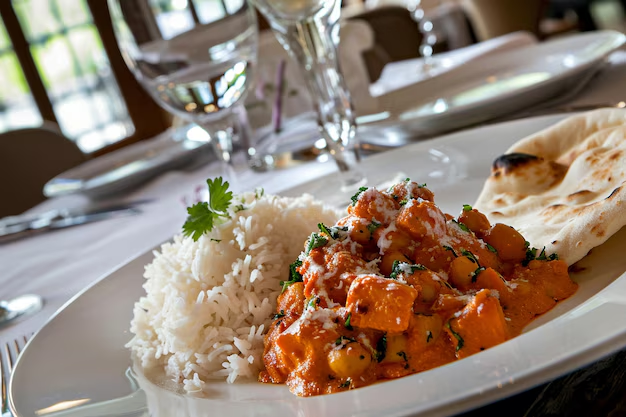
- Photos of the space and the food: These can give you a realistic sense of portion sizes, plating style, and atmosphere.
- Menu style: Check whether the restaurant leans more traditional, modern, street-food-inspired, or fine dining.
Instead of chasing a single “best,” focus on fit: location, price range, ambiance, and menu type.
3. Pay Attention to Menu Transparency
Many diners find it helpful when a restaurant:
- Provides clear dish descriptions, not just names
- Indicates spice levels or offers flexibility
- Notes vegetarian, vegan, or gluten-sensitive options
- Shows whether portions are designed for sharing or individual plates
New Indian restaurants often invest effort into making the menu approachable to guests who may be newer to Indian cuisine, which can ease the decision process.
What to Expect from a New Indian Restaurant in Atlanta
Newer restaurants often try to balance authentic flavors with local expectations around decor, cocktails, and service pace. Understanding common patterns can help set realistic expectations.
Dining Style and Atmosphere
Many new Indian restaurants in Atlanta fall into one of these broad styles:
- Casual fast-casual: Order at the counter, customize bowls or plates, quick service.
- Comfortable full-service: Traditional curries, breads, and rice dishes, often suited for family meals or group outings.
- Modern or “elevated” Indian: Emphasis on presentation, smaller plates, curated drinks, and thoughtful interior design.
Clues from photos and descriptions can tell you a lot:
- Dim lighting and plush seating may signal a date-night or special-occasion focus.
- Bright, streamlined spaces with open kitchens often suggest a modern, energetic concept.
- Simple decor and generous plates may indicate a home-style or family-oriented experience.
Price Ranges and Portions
Without exact numbers, you can still gauge relative pricing and value:
- Lunch specials or thali-style plates are often designed to be more affordable while offering variety.
- Tasting menus or extensive cocktail programs usually appear in higher price categories.
- Newer modern restaurants might feature smaller shared plates, meaning you may order multiple items for a full meal.
Reading menu descriptions can give you a sense of how filling each dish might be, especially if notes mention “large format,” “shareable,” or “snacks.”
Decoding the Menu: Classic vs. Modern Indian Dishes
When you sit down at a new Indian restaurant in Atlanta, the menu can feel either familiar or mysterious. Understanding typical sections helps you navigate with confidence.
Common Classic Dishes You May See
These are frequently present even at newer restaurants:
- Samosa – Fried pastry with savory filling, often potatoes and peas.
- Tandoori chicken – Yogurt-marinated chicken cooked in a clay oven.
- Butter chicken / Chicken makhani – Mild, creamy tomato-based curry.
- Saag (or Palak) paneer – Spinach cooked with mild cheese cubes.
- Dal – Lentil-based stews in many variations.
- Biryani – Spiced, layered rice dish often served with raita (yogurt).
- Naan, roti, kulcha – Different styles of Indian breads.
These dishes can be a reliable way to compare new restaurants with places you already know.
Modern Twists and Regional Specials
Newer spots sometimes highlight:
- Indian street-food-style snacks such as chaat, pav, or spiced fritters.
- Indo-Chinese dishes like chili paneer or Hakka-style noodles.
- Creative interpretations: sliders with Indian spiced patties, tacos with tandoori fillings, or fusion desserts.
If you see unfamiliar items, short descriptions often highlight flavor notes like tangy, smoky, or aromatic, which can guide your choices.
Dietary Preferences at New Indian Restaurants
Indian cuisine naturally accommodates a range of dietary patterns, and new Atlanta restaurants often design menus with this in mind.
Vegetarian and Vegan Options
Many Indian dishes are traditionally vegetarian or can be easily adapted:
- Lentil- and chickpea-based dishes
- Vegetable curries and stir-fries
- Breads, rice, and chutneys
Some modern restaurants also offer clearly labeled vegan variations of classics, such as plant-based “paneer-style” dishes or dairy-free curries.
Halal, Gluten-Conscious, and Other Needs
Different restaurants approach these needs in different ways:
- Some emphasize using halal meat, though it is not universal, so confirmation with the restaurant is helpful if this is important to you.
- Many dishes are naturally gluten-free, especially rice-based plates, kebabs, and most curries; however, breads and some fried items often contain gluten.
- Newer restaurants sometimes mark allergens or dietary tags directly on the menu, which can simplify decision-making.
When in doubt, communicating clearly with staff can help identify suitable dishes.
How to Get the Most Out of Your Visit
A little planning can make your experience at a new Indian restaurant in Atlanta smoother and more enjoyable.
Smart Booking and Timing
- Reservations: Popular new places may fill quickly at peak times, especially on weekends or around major events.
- Off-peak visits: Earlier evenings or weekday lunches can offer a calmer atmosphere and sometimes more attentive pacing.
Calling ahead can also help clarify parking options, dress expectations, or large-group arrangements.
Ordering for Sharing vs. Individual Plates
Indian food often lends itself well to sharing:
- A group can order a mix of curries, tandoori items, and breads, allowing everyone to sample more flavors.
- If the restaurant focuses on small plates, staff can often suggest how many dishes suit the size of your group.
- For solo diners, thali-style platters, combo plates, or set menus can provide variety without over-ordering.
Sharing works especially well at new restaurants where you want to explore the menu’s range.
Quick Decision Guide: Choosing a New Indian Restaurant in Atlanta 🧭
Use this simple checklist to narrow choices when several new spots catch your eye:
Ask yourself:
- 🌆 Location – Is it convenient to where you live, work, or plan to be?
- 🎭 Occasion – Casual weeknight, business meal, date night, or celebration?
- 🍽️ Style – Do you prefer classic comfort dishes, street-food-style small plates, or upscale modern Indian?
- 🥦 Dietary needs – Do you need strong vegetarian/vegan or gluten-conscious options?
- 💸 Budget fit – Does the menu appear closer to quick-casual, mid-range, or special-occasion pricing?
- 🕰️ Timing – Will you need a reservation, or is walk-in likely enough?
If most answers align with a particular restaurant, it is more likely to match your expectations.
Sample Visit Flow: From Search to First Bite
To make this concrete, imagine you’re planning dinner at a newly opened Indian spot in Midtown:
- Search locally for “new Indian restaurant Midtown Atlanta” and pick a place that matches your budget and style.
- Glance at the menu ahead of time to identify a few must-try items and confirm any dietary needs.
- Reserve a table if you’re going during a busy time or with a larger group.
- Once there, start with a snack or chaat to experience the restaurant’s personality on the plate.
- Order a mix of a grilled item (tandoor), one or two curries, rice, and bread for sharing.
- Ask about any signature dish or house favorite; newer restaurants often highlight a particular item that represents their style.
- If you enjoy the experience, make a mental note of what stood out—this can guide your next visit or help you compare with other new spots.
Key Takeaways for Exploring New Indian Restaurants in Atlanta
Here’s a quick, skimmable summary of how to navigate the emerging Indian dining scene in the city:
📝 At-a-Glance Tips
- 🔍 Start with neighborhood fit: Midtown, Decatur, Buckhead, and the northern suburbs each offer different vibes and conveniences.
- 🍛 Balance classic and modern: Look for menus that blend familiar favorites with a few creative or regional dishes.
- 🥗 Check dietary friendliness: Vegetarian, vegan, and gluten-conscious choices are often available, but labels vary by restaurant.
- 🕒 Plan for timing: New and buzzworthy places may be busiest at peak hours; consider reservations or off-peak visits.
- 🤝 Share plates when possible: Indian food is often ideal for group ordering and sampling multiple flavors.
- 📷 Use photos as clues: Images of dishes and interiors help gauge portion size, ambiance, and overall style.
- 🧭 Choose for your occasion: Quick lunch, casual dinner, or special celebration—match the restaurant’s format to your plans.
Exploring a new Indian restaurant in Atlanta is about more than just trying a different curry. It’s a chance to experience how chefs are interpreting regional traditions, street food culture, and modern dining expectations in one of the South’s most dynamic food cities. With a bit of forethought about neighborhood, menu style, and occasion, you can turn a simple search into a memorable meal that reflects both Atlanta’s energy and India’s rich culinary heritage.
Related Topics
- 356 Restaurant Atlanta
- 57th Fighter Group Restaurant Atlanta
- 57th Restaurant Atlanta Georgia
- 57th Squadron Restaurant Atlanta
- 5 Church Atlanta Restaurant
- 5 Seasons Restaurant And Brewery Atlanta
- 7 Lamps Restaurant Atlanta
- A2b Restaurant Atlanta
- African Restaurant Atlanta
- Alma Cocina Restaurant Atlanta
- Amalfi Restaurant Atlanta
- a Mano Atlanta Restaurant
- American Cut Restaurant Atlanta
- Anis Restaurant Atlanta Ga
- Antico Restaurant Atlanta
- Apres Diem Restaurant Atlanta
- Argosy Restaurant Atlanta
- Aria Atlanta Restaurant
- Asante Restaurant Atlanta
- Astor Court Restaurant Atlanta
- Atkins Park Restaurant Atlanta
- Atlanta Airport Restaurant
- Atlanta Bangladeshi Restaurant
- Atlanta Best Thai Restaurant
- Atlanta Biscuit Restaurant