Exploring Russian Restaurants in Atlanta: Where Tradition Meets Southern Hospitality
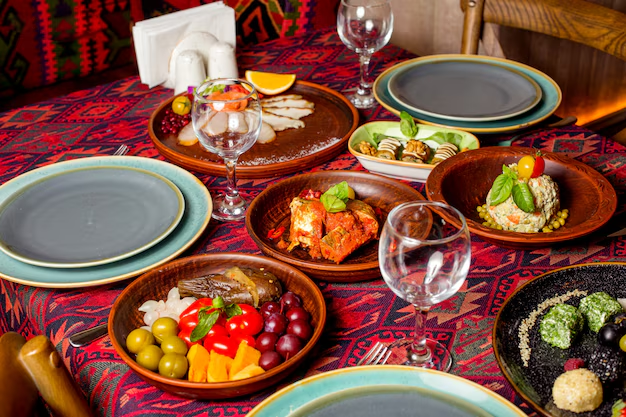
Atlanta’s food scene is famous for its diversity, but many people are pleasantly surprised to discover a small, vibrant world of Russian and Eastern European restaurants woven into the city’s neighborhoods. If you’ve ever typed “Russian restaurant Atlanta” into a search bar and wondered what to expect, this guide walks through the flavors, atmospheres, and experiences you’re likely to find—plus how to choose the right spot for your next outing.
Why Russian Cuisine Has a Place in Atlanta
Atlanta has grown into a cultural crossroads, attracting people and food traditions from around the world. Within that mix, Russian and post-Soviet cuisines (often grouped with Ukrainian, Georgian, or broader Eastern European food) offer:
- Comfort-food warmth: Slow-cooked stews, hearty dumplings, and rich soups.
- Celebratory dining: Big feasts, shared plates, and lively gatherings.
- A taste of home for immigrants and a new experience for local food lovers.
Many Atlanta spots that serve Russian food may be labeled as “European,” “Eastern European,” “Slavic,” or “Russian-style” rather than purely Russian. Menus can blend dishes from Russia and neighboring countries, reflecting real-life cultural overlap rather than strict borders.
What to Expect at a Russian Restaurant in Atlanta
Atmosphere and Vibes
Russian restaurants in Atlanta often lean toward one of a few common styles:
Cozy café or bistro
- Simple interiors, small spaces, and quiet music.
- Good for casual lunches, solo meals, or relaxed conversations.
Family-style dining rooms
- Larger tables, warm lighting, and a homelike feel.
- Often chosen for family gatherings, birthdays, or small celebrations.
Banquet-style venues
- Designed around events: weddings, anniversaries, and group parties.
- May feature live music, dancing, and set menus for large groups.
In many of these spots, staff may speak both English and Russian, and you might hear multiple languages at nearby tables, adding to the sense of immersion.
Signature Russian Dishes You’re Likely to See
While every restaurant is different, certain classic Russian dishes appear frequently on Atlanta menus. Understanding them helps you navigate with confidence.
Starters and Salads
Olivier salad
- A creamy potato salad with diced vegetables and meat or sausage.
- Traditionally served during celebrations and holidays.
Herring under a fur coat
- Layered salad with pickled herring, beets, potatoes, carrots, and mayonnaise.
- Known for its vibrant color and rich flavor.
Vinaigrette
- Beet-based salad with potatoes, carrots, pickles, and sometimes beans.
- Typically dressed with oil rather than mayonnaise, giving it a lighter feel.
Soups
Borscht
- Beet soup that can be served hot or cold, often with cabbage and meat.
- Commonly topped with sour cream and fresh herbs.
Solyanka
- Thick, tangy soup with pickles, olives, and assorted meats or fish.
- Known for its briny, savory profile.
Shchi
- Cabbage soup that may be simple and rustic or enriched with meat.
Dumplings and Baked Goods
Pelmeni
- Small dumplings usually filled with seasoned ground meat.
- Often served with butter, sour cream, or vinegar.
Vareniki
- Dumplings with fillings like potatoes, cabbage, cherries, or farmer’s cheese.
- Can be savory or sweet, pan-fried or boiled.
Pirozhki / Pirogi
- Baked or fried pastries filled with meat, cabbage, potatoes, eggs, or sweet fillings.
- Often enjoyed as snacks or quick bites.
Main Dishes
Beef Stroganoff
- Strips of beef in a creamy mushroom sauce, commonly served over noodles or potatoes.
Chicken Kiev
- Breaded chicken cutlet filled with herb butter that melts when cut.
Golubtsi
- Cabbage rolls stuffed with seasoned rice and meat, simmered in tomato or cream sauce.
Kotleti
- Pan-fried meat patties, sometimes served with mashed potatoes or buckwheat.
Sides and Grains
Buckwheat (grechka)
- Nutty-tasting grain often served as a side dish, sometimes with butter and herbs.
Mashed or roasted potatoes
- Common accompaniment to many hearty mains.
Marinated vegetables and pickles
- Cucumbers, tomatoes, cabbage, and mushrooms add crunch and acidity.
Desserts
Medovik (honey cake)
- Multi-layered cake with honey-based layers and creamy filling.
Napoleon cake
- Flaky layered pastry with custard or cream between thin sheets of dough.
Syrniki
- Fried cheese pancakes served with jam, honey, or sour cream.
How Russian Restaurants in Atlanta Adapt to Local Tastes
Many Russian restaurants in Atlanta balance authentic recipes with regional expectations:
- Spice and seasoning levels may be adjusted to local preferences.
- Menus might include familiar items (such as simple grilled meats, salads, or fries) alongside traditional dishes.
- Some venues offer fusion elements, like Russian-inspired brunch items or dessert twists.
This flexibility makes Russian restaurants approachable both for those who grew up with these dishes and those discovering them for the first time.
Distinguishing Russian, Eastern European, and Georgian Spots
People searching for “Russian restaurant Atlanta” often come across places that also describe themselves as:
- Eastern European
- Slavic
- Georgian
- Baltic
These categories can overlap in practice. For example:
- A Georgian restaurant might serve khachapuri (cheese-filled bread) and khinkali (dumplings) alongside dishes familiar to Russian diners.
- An Eastern European café may feature pierogi, schnitzel, or goulash next to Russian soups and salads.
For many guests, what matters most is the overall experience of the region’s food and hospitality, rather than strict borders between cuisines.
Practical Tips for Choosing a Russian Restaurant in Atlanta
1. Clarify What Kind of Experience You Want
Ask yourself:
- Casual meal or special occasion?
- Quiet conversation or energetic party atmosphere?
- Traditional menu or more modern, fusion-style dishes?
Russian-style banquet halls suit big celebrations, while cafés or bakeries are often better for everyday meals or takeout.
2. Scan the Menu in Advance
Many Russian restaurants in Atlanta make their menus available through local listings or photos. Look for:
- Range of dishes: soups, dumplings, mains, and desserts.
- Vegetarian-friendly options: salads, grain dishes, potato-based plates, and cheese dumplings.
- Familiar anchor items if you’re new to the cuisine, such as Beef Stroganoff or potato dishes.
3. Consider Dietary Preferences and Restrictions
Russian cuisine traditionally leans on:
- Meat (especially pork, beef, and poultry)
- Dairy (sour cream, cheese, butter)
- Eggs and wheat flour
However, many restaurants can help guests navigate the menu if they:
- Avoid pork or certain meats
- Prefer vegetarian or pescatarian dishes
- Need to steer clear of heavy creams or fried foods
Clear communication with staff often helps guests find options that align with their needs.
4. Pay Attention to Atmosphere Cues
Photos, descriptions, and reviews can signal whether a place:
- Emphasizes live entertainment and dancing
- Focuses on quiet, family-friendly meals
- Functions mainly as an event venue rather than an everyday restaurant
Matching the ambiance to your expectations tends to make the experience more enjoyable.
Quick-Glance Guide: Navigating Russian Restaurants in Atlanta
Here is a simple reference to help you approach your search and visit with confidence:
🧭 Key Takeaways & Tips
✅ Search beyond “Russian”
- Look under “Eastern European,” “Slavic,” “Georgian,” or “European café”; many such places serve Russian-style dishes.
✅ Recognize core dishes
- Borscht, pelmeni, Olivier salad, Beef Stroganoff, and honey cake are common starting points.
✅ Ask staff for guidance
- Many servers are familiar with guests trying Russian cuisine for the first time and can point to approachable options.
✅ Start with shared plates
- Ordering a mix of dumplings, salads, and small appetizers lets everyone sample different flavors without committing to just one dish.
✅ Consider time of day
- Lunch visits may feel more relaxed, while weekend evenings at banquet-style venues can be livelier and more event-focused.
✅ Plan for leftovers
- Portions in Russian-style restaurants are often generous, and many guests bring home extra food.
Typical Meal Flow in a Russian Dining Experience
Understanding the traditional pacing of a Russian-style meal can help you order comfortably:
Zakuski (cold and warm appetizers)
- Pickled vegetables, salads, cold cuts, small warm pastries.
- Designed for sharing and slow grazing.
Soup course
- Borscht or another soup follows as a warming middle step.
Main course
- Hearty hot dish such as cutlets, Stroganoff, dumplings, or stuffed cabbage.
- Often comes with potatoes, grains, or vegetables.
Dessert and tea or coffee
- Cakes, pastries, or pancakes, often paired with black tea in glasses or mugs.
Not every Atlanta restaurant follows this structure strictly, but many draw inspiration from it. Guests can choose as many or as few steps as they like.
Cultural Details That Enhance the Experience
Russian restaurants in Atlanta sometimes offer subtle cultural touches that shape the overall visit:
- Music: Soft background music or traditional songs; some venues host live bands on weekends.
- Decor: Samovars (traditional tea urns), folk motifs, or vintage photos.
- Languages: Mixed conversations in English and Russian among guests and staff.
These elements can make the experience feel like stepping briefly into another corner of the world, without leaving the city.
How to Order if You’re New to Russian Food
For those trying Russian cuisine in Atlanta for the first time, a balanced introductory meal might look like this:
- 🥗 Starter: Olivier salad or vinaigrette for something familiar yet distinct.
- 🍲 Soup: Borscht with a spoon of sour cream for a classic flavor.
- 🥟 Main: Pelmeni or Beef Stroganoff to experience comfort-food staples.
- 🍰 Dessert: Honey cake or syrniki to end on a sweet, memorable note.
Guests can always scale this up or down depending on appetite, budget, and how adventurous they feel.
Celebrations and Special Occasions
Many people in Atlanta choose Russian or Eastern European restaurants for birthdays, anniversaries, or cultural holidays. Common patterns include:
- Pre-set banquet menus for groups, often with multiple courses.
- Shared platters of salads, smoked fish, and meats.
- Music and dancing later in the evening at certain venues.
Those planning an event often contact the restaurant in advance to:
- Discuss menu options and pricing.
- Confirm whether outside cakes or decorations are allowed.
- Clarify music, dance floor, and timing if the celebration will last several hours.
Thoughtful Ways to Explore Russian Food in Atlanta
People interested in Russian cuisine often approach it gradually:
- Starting with a café or bakery for pastries, tea, or a light lunch.
- Visiting with friends who have tried these dishes before for extra guidance.
- Sampling a few appetizers or dumplings first, then returning later for a bigger meal once they know what they like.
This flexible approach lets guests enjoy the richness of the cuisine at their own pace.
Bringing It All Together
Russian restaurants in Atlanta offer a distinctive blend of Old World flavors and modern city life. From beet soups and dumplings to honey cakes and strong tea, these venues invite guests into a style of dining that values warmth, abundance, and shared experience.
Whether you are searching for a Russian restaurant in Atlanta to reconnect with familiar tastes or you are simply curious about trying something new, understanding the dishes, dining style, and atmosphere can make your visit more comfortable and enjoyable. With a bit of menu familiarity and a willingness to sample, Atlanta’s Russian and Eastern European restaurants can become a rewarding part of the city’s broader culinary landscape.
Related Topics
- 356 Restaurant Atlanta
- 57th Fighter Group Restaurant Atlanta
- 57th Restaurant Atlanta Georgia
- 57th Squadron Restaurant Atlanta
- 5 Church Atlanta Restaurant
- 5 Seasons Restaurant And Brewery Atlanta
- 7 Lamps Restaurant Atlanta
- A2b Restaurant Atlanta
- African Restaurant Atlanta
- Alma Cocina Restaurant Atlanta
- Amalfi Restaurant Atlanta
- a Mano Atlanta Restaurant
- American Cut Restaurant Atlanta
- Anis Restaurant Atlanta Ga
- Antico Restaurant Atlanta
- Apres Diem Restaurant Atlanta
- Argosy Restaurant Atlanta
- Aria Atlanta Restaurant
- Asante Restaurant Atlanta
- Astor Court Restaurant Atlanta
- Atkins Park Restaurant Atlanta
- Atlanta Airport Restaurant
- Atlanta Bangladeshi Restaurant
- Atlanta Best Thai Restaurant
- Atlanta Biscuit Restaurant