Discovering Sankranti Restaurant in Atlanta: A Guide to Modern Indian Dining
If you search for “Sankranti Restaurant Atlanta”, you’re usually looking for more than an address. Many people want to know what kind of Indian food it serves, whether it’s casual or upscale, what to expect on the menu, and how it fits into Atlanta’s growing South Asian dining scene.
This guide walks through those questions in a clear, practical way so you can decide if Sankranti matches the kind of experience you have in mind.
What Is Sankranti Restaurant in Atlanta Known For?
Sankranti is commonly recognized as a modern Indian restaurant concept with roots in traditional South Asian cooking. The name “Sankranti” refers to a Hindu festival that marks the transition of the sun from one zodiac sign to another, often associated with harvest and new beginnings. That theme of tradition meeting celebration tends to shape how the restaurant presents itself.
While specific details such as décor, exact menu, or layout can change over time, Sankranti is generally associated with:
- Indian cuisine with a contemporary twist
- A focus on both North and South Indian flavors
- An atmosphere that often aims to be welcoming to both Indian and non-Indian diners
- A setup that can appeal to families, groups, and casual business outings
Because restaurants can update their menus, formats, and locations, it is helpful to treat any description as a snapshot rather than a permanent blueprint. Still, there are consistent themes that tend to define the Sankranti experience in Atlanta.
Location, Atmosphere, and Dining Style
When people search “Sankranti Restaurant Atlanta,” they usually want to understand the overall vibe as much as the food.
General Atmosphere
Sankranti is often described as:
- Casual to semi-casual rather than formal fine dining
- Family-friendly, with space that can accommodate groups
- Designed with modern touches that are influenced by Indian art and culture
Some locations may include buffet setups, counter-service sections, or more traditional sit-down areas. These details can shift, but the overall aim tends to be accessible and relaxed, not intimidating or overly formal.
Who It Typically Suits
Sankranti can be a fit for:
- People new to Indian food, looking for recognizable dishes and gentle introductions to regional specialties
- Indian and South Asian diners interested in familiar flavors in a contemporary setting
- Office lunches or team outings, where varied spice levels and vegetarian options matter
- Families wanting a place that can handle different age groups and preferences
What’s on the Menu? Common Dishes and Styles
Menus can change frequently, but many Indian restaurants with a concept like Sankranti’s tend to include a mix of well-known classics and regional specialties. Searches for “Sankranti Restaurant Atlanta menu” often lead people to look for certain anchor dishes.
North Indian–Influenced Dishes
Many modern Indian restaurants in the U.S. include North Indian favorites such as:
- Butter chicken or similar creamy tomato-based curries
- Chicken tikka masala or grilled tikkas in a spiced yogurt marinade
- Paneer dishes, such as paneer tikka or paneer butter masala
- Naan and other tandoor breads, often available in garlic, butter, or plain versions
- Dal (lentil curries), sometimes richer in style with butter or cream
These dishes often appeal to those who are just beginning to explore Indian food, because the flavors are rich, familiar, and usually customizable in terms of spice.
South Indian–Influenced Dishes
Because the name “Sankranti” often carries associations with South Indian culture, diners sometimes expect to see South Indian elements on or around the menu, which might include:
- Dosa (thin, crispy fermented crepes), sometimes with potato masala or chutneys
- Idli (steamed rice cakes) and vada (savory fritters)
- Sambar (a lentil-based vegetable stew) and a variety of chutneys
- Rice-based dishes flavored with tamarind, lemon, or curd
Not every Sankranti-branded location will offer the full range of these items, but South Indian flavors often influence the overall culinary direction.
Rice, Biryanis, and Sides
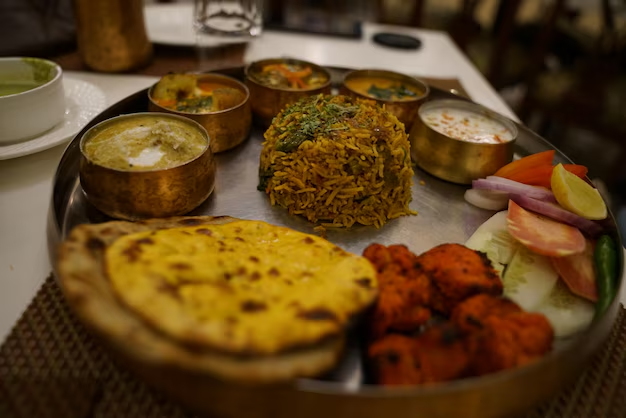
Many diners also look for biryani, a layered rice dish commonly cooked with meat or vegetables and aromatic spices. At a restaurant like Sankranti, you might expect:
- Vegetable, chicken, goat, or lamb biryani
- Jeera rice or lightly spiced basmati rice as sides
- Raita (yogurt-based side) to balance spicier dishes
Side dishes such as pickles, papad, and chutneys often appear alongside main courses, adding contrast and variety.
Dietary Preferences: Vegetarian, Vegan, and Gluten-Conscious Choices
One of the most common reasons people search for a specific restaurant like Sankranti is to see whether it can handle different dietary needs within a single group.
Vegetarian and Plant-Forward Options
Indian cuisine, in general, is known for a broad base of vegetarian dishes, and restaurants like Sankranti commonly reflect that. Diners might find:
- Vegetable curries made with paneer, potatoes, chickpeas, lentils, or mixed vegetables
- Dal (lentil-based) preparations in different styles
- Starters like samosas, pakoras, or vegetable cutlets
Some of these may be suitable for vegans, but preparation methods can vary. Ghee (clarified butter), cream, and paneer (cheese) are frequently used in Indian cooking, so anyone with specific requirements usually benefits from asking staff which items are cooked without dairy.
Gluten-Conscious Choices
Many Indian dishes are naturally gluten-free in principle, especially those based on rice or lentils, such as:
- Rice plates, biryani, and pulao
- Lentil curries and many vegetable curries
- Some South Indian items made from fermented rice and lentil batter
However, cross-contact in shared kitchens is possible, particularly where wheat-based items like naan or fried snacks are handled together. People who avoid gluten for medical reasons often find it useful to discuss ingredients and preparation methods before ordering.
How to Order at Sankranti: Practical Tips
Whether Sankranti offers a buffet, menu ordering, or a hybrid model, a few practical patterns often help people navigate the experience more comfortably.
Tips for First-Time Visitors
If you are new to Indian cuisine or to Sankranti-style menus:
Start with a familiar protein or vegetable
Choose chicken, potatoes, or paneer in a milder curry if you are still learning your spice tolerance.Ask about spice levels 🌶️
Many Indian restaurants in Atlanta are used to adjusting heat levels. Indicating “mild,” “medium,” or “spicy” can help align expectations.Pair richer curries with plain sides
A creamy curry often balances well with plain basmati rice or simple naan, rather than multiple heavily spiced items at once.
Tips for Groups and Office Outings
For group dining at Sankranti:
- Order a mix of vegetarian and non-vegetarian dishes so everyone has at least a couple of options.
- Include one or two milder dishes and one or two more robustly spiced items to cover different comfort levels.
- Consider shared plates such as platters or tandoori items, if available, to let people sample without committing to a single flavor.
Quick Reference: Planning a Visit to Sankranti in Atlanta
Here is a simple overview of points many diners consider when deciding whether to visit Sankranti Restaurant in Atlanta:
| ✅ Question | 🧭 What to Consider |
|---|---|
| What type of cuisine is it? | Primarily Indian, often blending North and South Indian influences. |
| Atmosphere style? | Generally casual to semi-casual, often family- and group-friendly. |
| Good for vegetarians? | Indian cuisine often features many vegetarian options; availability can be broad. |
| Spice levels manageable? | Many dishes can be adjusted for heat, but clarity helps—mention preferences. |
| Kid-friendly choices? | Milder curries, rice dishes, and breads can suit a wide range of ages. |
| Suitable for office gatherings? | Commonly used for group meals, depending on space and reservation policies. |
Pricing and Value Considerations
Searches for “Sankranti Restaurant Atlanta price” often reflect a basic concern: what to expect in terms of cost and value.
While specific prices can vary based on location, time, and menu changes, restaurants like Sankranti typically fall in a moderate range compared to other sit-down Indian restaurants in metropolitan areas. People often consider value in terms of:
- Portion size relative to cost
- The variety of dishes available within a visit
- Whether there are lunch specials, buffet options, or combo plates
- The convenience of the location for daily commutes or office gatherings
Because pricing can change, many diners confirm current menu ranges directly with the restaurant before large group events or regular visits.
How Sankranti Fits into Atlanta’s Indian Food Scene
Atlanta’s food culture has become increasingly diverse, and Indian cuisine is part of that growth. Sankranti sits within a larger landscape that includes:
- Traditional Indian restaurants serving regional home-style cooking
- Modern concepts that emphasize presentation, fusion dishes, or bar programs
- Fast-casual Indian spots focused on quick lunches and customizable bowls
Sankranti’s concept tends to align with modern Indian dining that is still grounded in traditional recipes. For many diners, it serves as a bridge between familiar, mainstream dishes and deeper regional specialties.
Practical Tips Before You Go
A few simple checks can help set expectations and make a visit smoother.
Smart Steps to Take 🔍
Check current hours and format
Hours, buffet offerings, or dine-in policies can shift, especially around holidays or local events.Confirm menu highlights
If you are seeking specific items like dosa, biryani, or vegan curries, it can help to confirm availability in advance.Ask about reservations for larger groups
For office gatherings, birthdays, or extended families, calling ahead can clarify seating and timing.Clarify dietary needs politely
If you are vegetarian, vegan, or gluten-conscious, asking which dishes are prepared without dairy, wheat, or specific ingredients can guide your choices.
Key Takeaways at a Glance
For quick reference, here are some practical points to remember when considering Sankranti Restaurant in Atlanta:
- 🍛 Cuisine focus: Indian, with an emphasis on recognizable classics and regional influences.
- 🪷 Audience: Welcoming to both Indian and non-Indian diners, including families and office groups.
- 🌶️ Spice levels: Often adjustable—communicating preferences usually improves the experience.
- 🥦 Dietary options: Vegetarian choices are typically strong; vegan and gluten-conscious options vary by preparation.
- 🪑 Atmosphere: Casual to semi-casual, generally appropriate for everyday meals and social gatherings.
- 💵 Value: Often viewed as moderate, with portions and variety playing a big role in perceived value.
Exploring an Indian restaurant like Sankranti in Atlanta can be a way to experience familiar comfort food, try new flavors, or introduce friends and colleagues to a different culinary tradition. By understanding the general style, common menu patterns, and practical considerations, you can approach your visit with realistic expectations and a clearer sense of what will likely match your tastes.
Related Topics
- 356 Restaurant Atlanta
- 57th Fighter Group Restaurant Atlanta
- 57th Restaurant Atlanta Georgia
- 57th Squadron Restaurant Atlanta
- 5 Church Atlanta Restaurant
- 5 Seasons Restaurant And Brewery Atlanta
- 7 Lamps Restaurant Atlanta
- A2b Restaurant Atlanta
- African Restaurant Atlanta
- Alma Cocina Restaurant Atlanta
- Amalfi Restaurant Atlanta
- a Mano Atlanta Restaurant
- American Cut Restaurant Atlanta
- Anis Restaurant Atlanta Ga
- Antico Restaurant Atlanta
- Apres Diem Restaurant Atlanta
- Argosy Restaurant Atlanta
- Aria Atlanta Restaurant
- Asante Restaurant Atlanta
- Astor Court Restaurant Atlanta
- Atkins Park Restaurant Atlanta
- Atlanta Airport Restaurant
- Atlanta Bangladeshi Restaurant
- Atlanta Best Thai Restaurant
- Atlanta Biscuit Restaurant