Discovering West African Restaurants in Atlanta: A Flavorful Guide to the City’s Hidden Gems
If you’ve ever wondered where to find jollof rice that tastes like it came straight from Lagos, or suya with that perfect smoky spice, Atlanta is one of the best places in the United States to start exploring West African food. The city’s growing West African community has shaped a dining scene that is rich, diverse, and surprisingly accessible for newcomers.
This guide walks through what to expect at a West African restaurant in Atlanta, how to navigate the menu, cultural etiquette, dietary notes, and tips for getting the most from your visit—whether you’re a curious first-timer or someone looking to reconnect with familiar flavors.
Why Atlanta Is a Hub for West African Cuisine
Atlanta has become known as a welcoming home for people from across the African diaspora. Over time, this has translated into:
- A variety of West African restaurants representing countries such as Nigeria, Ghana, Senegal, Liberia, and others
- Casual, family-style spots alongside more contemporary, fusion-inspired kitchens
- Restaurants that serve as community gathering spaces, not just places to eat
When people search for “West African restaurant Atlanta,” they’re usually looking for one of three things:
- A first-time experience with West African food
- A specific dish they’ve heard about (often jollof rice or fufu)
- A familiar taste of home while living in or visiting Atlanta
Understanding these motivations can help you choose the kind of restaurant that fits what you’re hoping to experience.
What to Expect at a West African Restaurant in Atlanta
Atmosphere and Setting
West African restaurants in Atlanta tend to fall into a few broad categories:
- Casual, canteen-style: Simple décor, TV playing Afrobeats or Nollywood films, quick counter service, generous portions.
- Sit-down, family-style: Tables set for sharing large platters, warm and lively environment, often welcoming to big groups.
- Modern or fusion: Updated interiors, contemporary plating, possible combination of African flavors with Southern or international dishes.
Common threads across these spaces include:
- A welcoming, home-style vibe
- Staff who are often open to explaining dishes to newcomers
- Hearty, filling meals built around stews, meats, grains, and vegetables
Core West African Dishes You’ll See on Atlanta Menus
While each country and region has its own specialties, a few dishes show up frequently in West African restaurants around Atlanta.
Jollof Rice
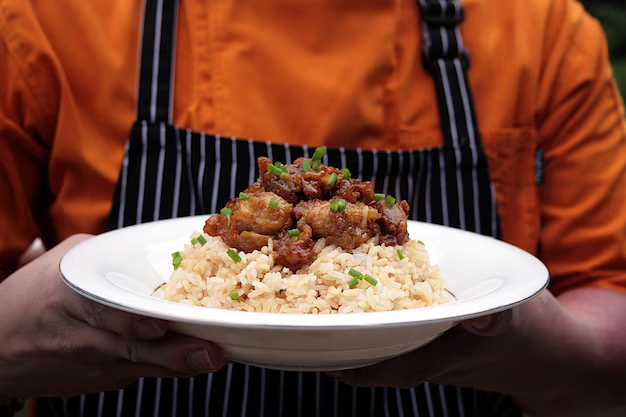
Jollof rice is one of the most recognized West African dishes and a frequent highlight on Atlanta menus.
- Rice cooked in a base of tomato, onion, and peppers
- Often served with fried plantains, grilled chicken, fish, or beef
- Flavor ranges from mildly spiced to quite bold, depending on the chef’s style
Many restaurants identify their jollof as Nigerian-style, Ghanaian-style, or Senegalese-style, reflecting regional variations in flavor and texture.
Fufu and Soups/Stews
Fufu is a soft, stretchy staple made from ingredients such as cassava, plantain, or yam. In many West African traditions, fufu is eaten with the hands and paired with a rich soup or stew.
Common pairings include:
- Egusi soup – Made with ground melon seeds, vegetables, and often meat or fish
- Okra soup or stew – Thick, slightly viscous texture with spices and meat or seafood
- Light soup or pepper soup – Broth-based, aromatic, and often spicy
- Palm nut or groundnut (peanut) stew – Creamy and deeply flavored
At many Atlanta spots, you’ll see menu items phrased as “Fufu with Egusi”, “Fufu with Okra”, or similar combinations. Traditionally, diners tear off a small piece of fufu, dip it into the stew, and eat it without using utensils.
Suya and Grilled Meats
Suya is a popular street-food-style dish that has become a favorite in many Atlanta West African restaurants.
- Thinly sliced or skewered beef, chicken, or other meat
- Coated in a dry spice blend (often including ground peanuts and chili)
- Grilled and served with onions, tomatoes, and sometimes cabbage
The flavor is typically smoky, nutty, and spicy, and it is often enjoyed as a snack, starter, or shared plate.
Rice, Beans, and Plantain Combinations
Many menus feature comforting combinations such as:
- Waakye – A Ghanaian dish of rice and beans cooked together, often served with stew, spaghetti, egg, or fried plantain
- Rice and stew – Plain white rice with richly spiced tomato-based stews
- Fried plantains (dodo, kelewele, or alloco) – Sweet, caramelized slices or spiced cubes of ripe plantain
These pair well with meat, fish, or vegetarian sides and are a good starting point if you’re easing into West African flavors.
Breads, Snacks, and Sides
You may also encounter:
- Puff-puff – Lightly sweet fried dough balls
- Meat pies – Savory pastries filled with spiced ground meat and vegetables
- Moi-moi – Steamed bean pudding, often served as a side
- Kenkey, banku, or gari – Grain- or cassava-based staples common in Ghanaian and other West African cuisines
Navigating the Menu as a First-Time Visitor
How to Choose a Dish if You’re New
If you’re unfamiliar with West African food, some accessible starting points include:
- Jollof rice with grilled chicken or fried fish
- Fried plantain with a mild stew
- Suya as a shared appetizer
- Puff-puff for a simple, comforting dessert-style snack
You can also ask staff to suggest dishes that are:
- Less spicy if you’re cautious with heat
- Vegetarian-friendly if you avoid meat
- Gluten-conscious if you need to limit certain grains or wheat-based sides
Understanding Spice Levels
Many West African dishes are well-seasoned and aromatic, and some can be quite spicy. In Atlanta, restaurants are often used to serving a broad range of customers, so it’s common to see:
- Sauces or pepper mixes served on the side
- Flexibility to adjust spice for certain dishes
- Clear labeling when a dish is especially hot
If you’re uncertain, you can describe your general tolerance (for example, “mild, medium, or very spicy”) and ask what would be appropriate.
Dietary Considerations and Common Ingredients
West African cooking uses a combination of grains, tubers, legumes, vegetables, meats, and fish. Some patterns can help you plan if you have specific preferences or restrictions.
Vegetarian and Plant-Forward Options
While many classic dishes include meat or fish, there are often plant-based possibilities, such as:
- Rice with tomato stew made without meat
- Beans and plantains
- Vegetable-based stews using leafy greens, tomatoes, and peppers
- Moi-moi (bean pudding) in versions that do not include meat or fish
Because recipes vary, it is usually helpful to ask directly whether meat or fish is used in the stock, seasoning, or cooking process.
Gluten and Grains
Many staples—such as fufu, rice, and some cassava-based dishes—do not rely on wheat. However:
- Some breads and pastries (like meat pies) may contain wheat flour
- Seasonings, marinades, and sauces can vary in their ingredients
If gluten is a concern, you can ask which dishes are naturally grain-free or wheat-free and whether any cross-contact in the kitchen is likely.
Nuts, Fish, and Other Allergens
Common ingredients in West African cooking include:
- Peanuts or groundnuts in sauces and suya spice mixes
- Fish and shellfish in stews, stocks, and seasonings
- Various spice blends that may contain multiple components
Staff at many Atlanta restaurants are familiar with frequently asked questions around allergies. Sharing your specific allergen list helps them point you to safer options or suggest modifications where possible.
Cultural Etiquette and Dining Traditions
Eating With Hands vs. Utensils
In many West African cultures, eating with the hands, especially for dishes like fufu and certain stews, is traditional and meaningful. In Atlanta restaurants, you might see:
- Bowls of water or hand wipes for cleaning hands
- Guests choosing between hand-eating and standard utensils
Both approaches are generally accepted; you can follow what feels comfortable to you or the custom of the group you’re with. If you wish to follow tradition, you can:
- Use your right hand to scoop fufu or other staples
- Pinch a small piece, press it into a slight cup, and dip into the soup or stew
Sharing Food and Portions
West African restaurant portions in Atlanta are often generous, and many dishes are designed for sharing. It is common to:
- Order several mains and sides for the table
- Taste a bit of everything rather than sticking to one plate
- Take leftovers home, since many dishes reheat well
Sharing is part of the communal spirit that shapes much of West African dining culture.
Types of West African Restaurants You’ll Encounter in Atlanta
Not every West African restaurant in Atlanta looks or feels the same. Understanding the general types can help you match your plans to the right place.
1. Neighborhood Spots and Takeout Kitchens
Features often include:
- A straightforward, no-frills dining room or mostly takeout setup
- Focus on classic, home-style dishes
- Menus centered on jollof rice, stews, fufu, suya, beans, and plantain
These are good choices when you want authentic comfort food or a quick, filling meal.
2. Family Restaurants and Community Hubs
These spaces may offer:
- Larger dining areas suitable for groups
- Occasional community events, watch parties, or celebrations
- A mix of familiar dishes and regional specialties from a particular country (for example, Ghanaian, Nigerian, or Senegalese cuisine)
They are often ideal for group dinners, family gatherings, or cultural celebrations.
3. Contemporary and Fusion Concepts
A smaller but growing number of places in Atlanta lean into:
- Modern décor and creative presentations
- Menus that blend West African flavors with Southern, Caribbean, or global influences
- Offerings that might include cocktails inspired by African ingredients, updated versions of classics, or small plates meant for sharing
These can be an appealing gateway for people exploring West African flavors for the first time or looking for a date-night or special-occasion setting.
Practical Tips for Enjoying West African Food in Atlanta
Here is a quick, skimmable reference to help guide your visit.
🍽️ Quick Tips for First-Time Diners
- Start with the classics: Jollof rice, suya, egusi soup, and fried plantain are popular entry points.
- Ask about spice: Many dishes can be made milder or served with pepper on the side.
- Be open to eating with your hands: Especially with fufu; ask for guidance if you’re unsure.
- Plan for leftovers: Portions are often hearty and travel well.
🔍 Menu Navigation at a Glance
| Goal | What to Look For | Helpful Notes |
|---|---|---|
| Mild flavors | Rice and stew, grilled meats, plantain combos | Request low spice and sauces on the side |
| Bold, spicy experience | Suya, pepper soups, spicy jollof | Confirm spice level before ordering |
| Vegetarian-leaning | Rice, beans, plantain, veggie stews, moi-moi | Ask if broths or seasonings include meat or fish |
| Traditional experience | Fufu with egusi, okra, or light soup | Try eating with your hands if you feel comfortable |
| Quick takeout | Jollof plates, meat pies, puff-puff, grilled meats | Many places package these well for to-go orders |
West African Cuisine and Atlanta’s Broader Food Culture
West African restaurants in Atlanta do more than serve food. They:
- Contribute to the city’s reputation as a diverse culinary destination
- Provide cultural anchors for West African communities and the larger African diaspora
- Introduce new flavors and techniques that influence pop-ups, food trucks, and fusion menus around town
People who explore this part of Atlanta’s dining scene often find:
- New favorite comfort foods, such as jollof, waakye, or pepper soup
- A deeper appreciation for spices, slow-cooked stews, and communal eating
- Opportunities to learn about music, language, and traditions alongside the food itself
Making the Most of Your Search for “West African Restaurant Atlanta”
When you’re deciding where to go, a few practical steps can help refine your choice:
- Think about whether you want a casual meal, group gathering, or special night out.
- Consider if you’re seeking Nigerian, Ghanaian, Senegalese, or a broader mix of West African dishes.
- Look at photos of the food to see which plates look appealing or familiar.
- Read menu descriptions to understand the spice level, ingredients, and style.
Exploring West African restaurants in Atlanta can be as simple as ordering a plate of jollof and fried plantain—or as immersive as gathering friends, trying fufu with rich soups, and spending the evening sharing dishes and stories. However you choose to approach it, this part of Atlanta’s food culture offers an inviting path into one of the world’s most flavorful and community-centered culinary traditions.
Related Topics
- 356 Restaurant Atlanta
- 57th Fighter Group Restaurant Atlanta
- 57th Restaurant Atlanta Georgia
- 57th Squadron Restaurant Atlanta
- 5 Church Atlanta Restaurant
- 5 Seasons Restaurant And Brewery Atlanta
- 7 Lamps Restaurant Atlanta
- A2b Restaurant Atlanta
- African Restaurant Atlanta
- Alma Cocina Restaurant Atlanta
- Amalfi Restaurant Atlanta
- a Mano Atlanta Restaurant
- American Cut Restaurant Atlanta
- Anis Restaurant Atlanta Ga
- Antico Restaurant Atlanta
- Apres Diem Restaurant Atlanta
- Argosy Restaurant Atlanta
- Aria Atlanta Restaurant
- Asante Restaurant Atlanta
- Astor Court Restaurant Atlanta
- Atkins Park Restaurant Atlanta
- Atlanta Airport Restaurant
- Atlanta Bangladeshi Restaurant
- Atlanta Best Thai Restaurant
- Atlanta Biscuit Restaurant