Exploring Yemeni Food in Atlanta: Where to Find Rich Flavors and Warm Hospitality
Fragrant rice, slow-cooked meat, bubbling clay-pot stews, and fresh, hot flatbreads that arrive at your table still puffed from the oven—Yemeni cuisine offers a distinctive experience that stands out even in a food city as varied as Atlanta.
For people searching for a Yemeni restaurant in Atlanta, the goal is usually the same: finding a place that feels authentic, welcoming, and satisfying, whether for a casual lunch, a family gathering, or a new culinary adventure. This guide walks through what to expect from Yemeni food, how to navigate typical menus, how it fits into Atlanta’s broader Middle Eastern dining scene, and what practical details to consider when choosing a spot.
What Makes Yemeni Cuisine Unique?
Yemeni food is rooted in home-style cooking, slow preparation, and bold but balanced flavors. While it shares some ingredients with other Middle Eastern cuisines, it has its own character.
Signature traits of Yemeni cooking
- Slow-cooked meats: Lamb, beef, and chicken are often braised or roasted until very tender.
- Clay-pot stews: Many dishes are cooked and served in clay pots that retain heat and deepen flavor.
- Fresh bread with every meal: Bread is central; it is often used to scoop up stews and sauces.
- Warm, aromatic spices: Common spices include cumin, coriander, turmeric, cardamom, black lime, and fenugreek, often combined in house spice blends.
- Hearty, comforting textures: Thick stews, rich broths, and robust rice dishes are typical.
Yemeni restaurants in Atlanta often emphasize generous portions, shared plates, and a relaxed atmosphere, mirroring traditional family-style dining.
Typical Dishes You Might Find at a Yemeni Restaurant in Atlanta
Even if menus vary from place to place, many Yemeni restaurants in Atlanta tend to offer a core set of well-known dishes. Understanding them ahead of time can make ordering much easier.
Main dishes
Mandi
A classic Yemeni rice dish made with slow-cooked meat (often lamb or chicken) over aromatic spiced rice. The meat is usually very tender, and the rice is infused with the drippings and spices.Haneeth
Another beloved dish featuring roasted lamb cooked slowly until it becomes soft and flavorful. It is commonly served over rice and can be one of the richer, more indulgent menu items.Saltah
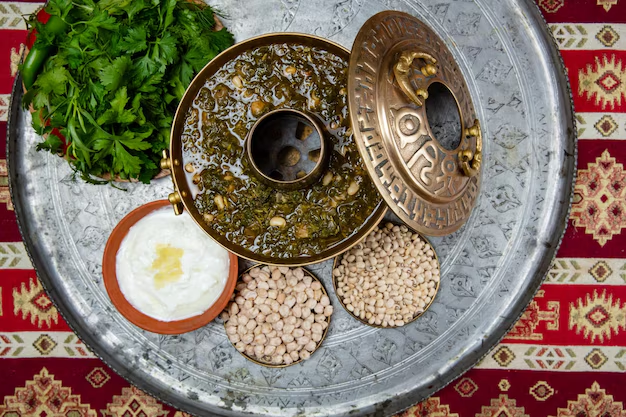
Often considered a national dish of Yemen, saltah is a thick, bubbling stew traditionally made with meat broth, vegetables, and a frothy fenugreek topping. It usually arrives at the table in a hot clay bowl and is eaten with bread.Fahsa
Similar in spirit to saltah but often meatier and chunkier, fahsa is a shredded meat stew cooked in a clay pot, frequently seasoned with a blend of spices and served piping hot.Kabsa or Bukhari-style rice
Some Yemeni restaurants in Atlanta may also include regional rice dishes influenced by neighboring cuisines—long-grain rice cooked with spices, sometimes mixed with nuts or raisins, and topped with grilled or roasted meats.
Breads and sides
Malooga / Mulawah (Yemeni flatbreads)
Flaky or layered flatbreads, often slightly oily, tender, and perfect for scooping up stews. They are usually served fresh from the oven or griddle.Tandoor bread
Some spots use a tandoor-style oven, producing puffy, slightly charred bread similar to naan in appearance but distinct in flavor and texture.Sahawiq / Zhug
A spicy green or red chili sauce made with herbs, peppers, garlic, and sometimes tomatoes. It can be quite fiery and is often served as a condiment alongside rice or bread.Yogurt and salad plates
Simple yogurt, cucumber, and tomato side dishes help balance the richness and spice of many main dishes.
Drinks and desserts
Yemeni tea
Usually a spiced black tea sometimes flavored with cardamom, cloves, or milk. It can be a soothing way to end a meal.Yemeni coffee
Known for its historical connection to the word “mocha,” Yemeni coffee is valued for its complex, aromatic profile. Some restaurants may serve traditional coffee preparations, sometimes lightly spiced.Simple sweets
Depending on the restaurant, desserts may be limited, but some offer honey-soaked pastries or semolina-based sweets, often served in modest portions after a large savory meal.
How Yemeni Restaurants Fit into Atlanta’s Middle Eastern Food Scene
Atlanta has grown into a city where Middle Eastern, North African, and South Asian restaurants coexist and often overlap in style and menu offerings. Yemeni restaurants frequently share common ground with:
- Lebanese and Syrian restaurants (kebabs, hummus, falafel)
- Gulf-region spots (mandi, kabsa, grilled meats)
- North African eateries (slow-cooked meats, spiced rice, tagine-style dishes)
However, Yemeni food tends to lean particularly toward:
- Clay-pot stews and bubbling oven dishes
- Fenugreek-based toppings and sauces
- Distinct bread styles that differ from pita or standard flatbreads
For diners specifically searching “Yemeni restaurant Atlanta,” the goal is often to access this more niche style of cooking rather than a more generic Middle Eastern menu.
What to Expect When You Visit a Yemeni Restaurant in Atlanta
Understanding the experience ahead of time can make your visit more relaxed and enjoyable.
Atmosphere
Many Yemeni restaurants emphasize:
- Family-friendly seating with large tables and group-oriented portions
- Modest, functional decor rather than elaborate design
- A focus on hospitality, where staff may encourage sharing dishes and trying house specialties
Some restaurants may have separate areas or seating arrangements that reflect traditional gathering styles, but this varies.
Ordering style
In many Yemeni restaurants, it is common to:
- Order one or two large main dishes to share, especially rice platters and clay-pot stews
- Add bread, salad, and sauces as supporting elements rather than as separate full meals
- Ask staff for guidance if a dish name is unfamiliar—many servers are accustomed to explaining dishes to first-time visitors
This structure often works well for groups, though solo diners can typically request smaller portions or choose simpler items such as single plates of mandi or grilled meat.
Quick Guide: Navigating a Yemeni Menu in Atlanta 🍽️
If you’re new to Yemeni food, this simple table can help you decide what to try.
| If you like… | Try this Yemeni dish… | Why it might suit you |
|---|---|---|
| Biryani, pilaf, or seasoned rice | Mandi | Aromatic rice with tender meat, relatively familiar and approachable. |
| Slow-roasted lamb or pot roast | Haneeth | Rich, slow-cooked lamb with deep flavor and soft texture. |
| Thick stews or chili | Saltah / Fahsa | Hearty, bowl-style dishes served hot, eaten with bread. |
| Fresh naan or pita | Malooga / Mulawah | Flaky, hot flatbread ideal for dipping and scooping. |
| Spicy salsa or hot sauce | Sahawiq / Zhug | Bright, chili-based condiment that adds heat and freshness. |
| Masala chai or spiced drinks | Yemeni tea | Warm, gently spiced black tea, often enjoyed after a meal. |
Dietary Considerations and Menu Flexibility
People often look for diet-friendly, halal, or allergy-conscious options when choosing where to eat. While specifics differ by restaurant, several general patterns appear across Yemeni restaurants in Atlanta.
Halal-focused menus
Yemeni cuisine traditionally aligns with halal food practices, and many Yemeni restaurants emphasize serving halal meat. Menus and signage in Atlanta often reflect this, particularly in areas with diverse communities. However, if this is important for you, it can be helpful to:
- Look for clear labels or posted notices at the restaurant
- Ask staff politely to confirm how meat is sourced and prepared
Vegetarian or lighter options
Yemeni cuisine is naturally meat-forward, but some dishes can be suitable for vegetarians or those seeking lighter meals:
- Vegetable-based stews or beans (sometimes offered as sides or breakfast dishes)
- Salads, yogurt plates, and bread with dips
- Rice dishes without meat, if the kitchen can prepare them upon request
Availability depends heavily on the individual restaurant. Some places may be able to adapt dishes, while others prepare items in large batches that cannot be easily modified.
Spice and heat levels
- Stews and rice dishes tend to be warmly spiced but not extremely hot.
- Sahawiq / zhug and other condiments can be quite spicy and can be added separately to control heat.
If you are sensitive to spice, you can:
- Ask which dishes are mild or more gently seasoned
- Request sauce on the side, especially for chili-based condiments
Practical Tips for Choosing a Yemeni Restaurant in Atlanta
When typing “Yemeni restaurant Atlanta” into a search engine, diners often want more than a list of names. They want a reliable, practical way to choose where to go. While specific venues change over time, these general guidelines can help.
Location and parking
- Many Yemeni and broader Middle Eastern restaurants in Atlanta are located in commercial corridors or strip centers that offer convenient surface parking.
- Some may be in more urban areas where street parking or shared lots are common.
Checking ahead for parking conditions can make group visits, family meals, or late-night dining more comfortable.
Ambiance and group size
Before choosing a restaurant, consider:
- Group-friendly seating if you are dining with family or friends. Large rice platters and shared stews are easiest to enjoy at tables designed for groups.
- Casual vs. more formal vibes. Yemeni restaurants often lean casual and welcoming, which can be ideal for relaxed meals and trying unfamiliar dishes without pressure.
Menu clarity
For diners new to Yemeni food, clear menu descriptions can make a big difference. Look for places that:
- Provide English explanations for traditional dish names
- Offer simple combinations or platters to sample more than one item at a time
If the menu feels intimidating, staff are often willing to suggest popular items or house specialties.
Yemeni Restaurant Etiquette and Dining Culture
You do not need to know specific rules to enjoy a Yemeni meal in Atlanta, but understanding a few cultural patterns can make the experience feel more connected.
Sharing food
- Yemeni meals are commonly enjoyed family-style, with large platters set in the center of the table.
- It is typical for everyone to serve themselves from shared dishes, rather than ordering individual entrees for each person.
Bread as a utensil
- In many traditional settings, bread is used to scoop or pinch food instead of relying heavily on forks or spoons.
- Most Yemeni restaurants in Atlanta also provide standard utensils, so diners can choose whichever method feels most comfortable.
Pace of the meal
- Because many dishes are cooked slowly, some meals may feel unhurried and substantial.
- Tea or coffee is often enjoyed at the end, allowing people to linger and talk.
Key Takeaways for Diners Searching “Yemeni Restaurant Atlanta” 🌟
Here is a quick, skimmable summary of the most practical points:
- ✅ Expect hearty, comforting food: Slow-cooked meats, spiced rice, and hot clay-pot stews are central.
- ✅ Sharing is common: Large platters of mandi, haneeth, or stews work well for groups and families.
- ✅ Bread plays a starring role: Fresh, flaky flatbreads are a key part of almost every meal.
- ✅ Spice is aromatic, not always fiery: Heat often comes from optional condiments like sahawiq.
- ✅ Menus may be halal-focused: Many Yemeni spots emphasize halal meat, but it is still helpful to ask for confirmation if needed.
- ✅ Vegetarian options can be limited: Some salads, breads, and vegetable stews may be available, depending on the restaurant.
- ✅ Staff can be a helpful guide: Asking for recommendations is common and often welcomed, especially if you are new to Yemeni cuisine.
How Yemeni Food Adds to Atlanta’s Culinary Story
Atlanta’s restaurant scene continues to expand beyond familiar categories, and Yemeni restaurants contribute a distinctive voice to that growth. They bring:
- A focus on slow, careful preparation rather than quick-serve formats
- Deeply traditional recipes that connect diners to regional cooking methods and family-style dining
- An emphasis on warmth and hospitality, where shared tables and generous portions are the norm
For anyone curious about exploring new flavors within Middle Eastern and Arabian Peninsula cuisines, Yemeni restaurants in Atlanta offer a path that is both approachable and richly textured. With a basic understanding of common dishes, dining style, and what to expect on the menu, it becomes much easier to step in, order confidently, and fully enjoy the experience.
Related Topics
- 356 Restaurant Atlanta
- 57th Fighter Group Restaurant Atlanta
- 57th Restaurant Atlanta Georgia
- 57th Squadron Restaurant Atlanta
- 5 Church Atlanta Restaurant
- 5 Seasons Restaurant And Brewery Atlanta
- 7 Lamps Restaurant Atlanta
- A2b Restaurant Atlanta
- African Restaurant Atlanta
- Alma Cocina Restaurant Atlanta
- Amalfi Restaurant Atlanta
- a Mano Atlanta Restaurant
- American Cut Restaurant Atlanta
- Anis Restaurant Atlanta Ga
- Antico Restaurant Atlanta
- Apres Diem Restaurant Atlanta
- Argosy Restaurant Atlanta
- Aria Atlanta Restaurant
- Asante Restaurant Atlanta
- Astor Court Restaurant Atlanta
- Atkins Park Restaurant Atlanta
- Atlanta Airport Restaurant
- Atlanta Bangladeshi Restaurant
- Atlanta Best Thai Restaurant
- Atlanta Biscuit Restaurant